Tap any stop to follow the 1920 inaugural tour, park by park, from Denver all the way around the American West and home again.
0
Miles Driven
0
Days on the Road
0
National Parks
1.5%
Of the Route Was Paved
The Story
Seventy Six Days of Almost Roads
No gas stations. No motels. No reliable maps. Follow the journey chapter by chapter as the odometer climbs.
Before Mile One
The America That Had No Road Trips
A.G. Lucier Collection · 1920 inaugural tour
It is almost impossible to imagine now, but in 1900 the road trip did not exist. There were only about 8,000 automobiles in the entire United States, and they were rich men's toys. If you wanted to see Yellowstone or Yosemite, you bought an expensive train ticket, and the railroad decided where you went, when you arrived, and how much of the West you were allowed to see through a window.
Then Henry Ford changed the math. The 1908 Model T and the assembly line behind it dropped the price of a car within reach of farmers, teachers, and shopkeepers. For the first time in American history, ordinary people owned the means to go wherever they wanted.
There was just one problem. There was almost nowhere to go.
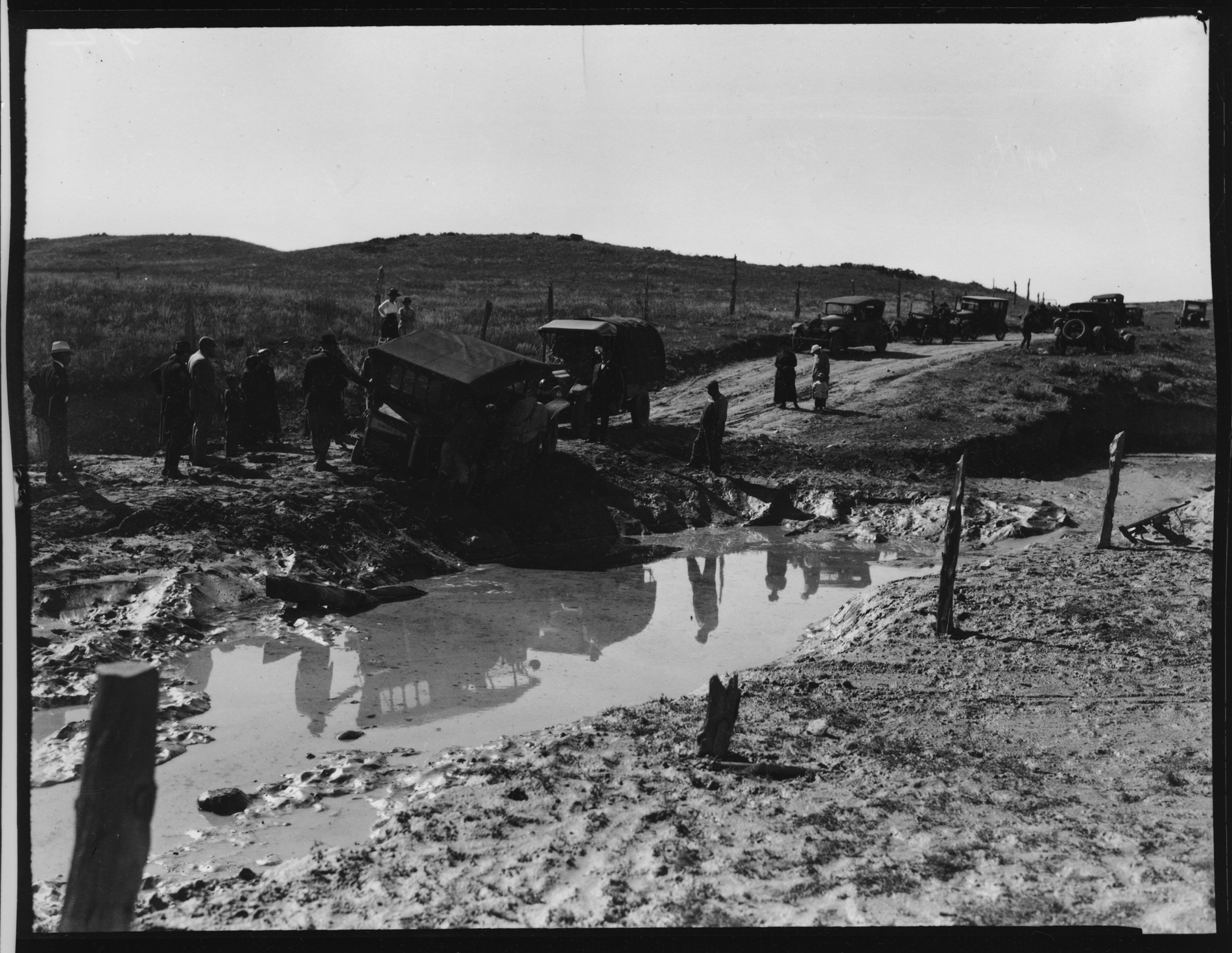
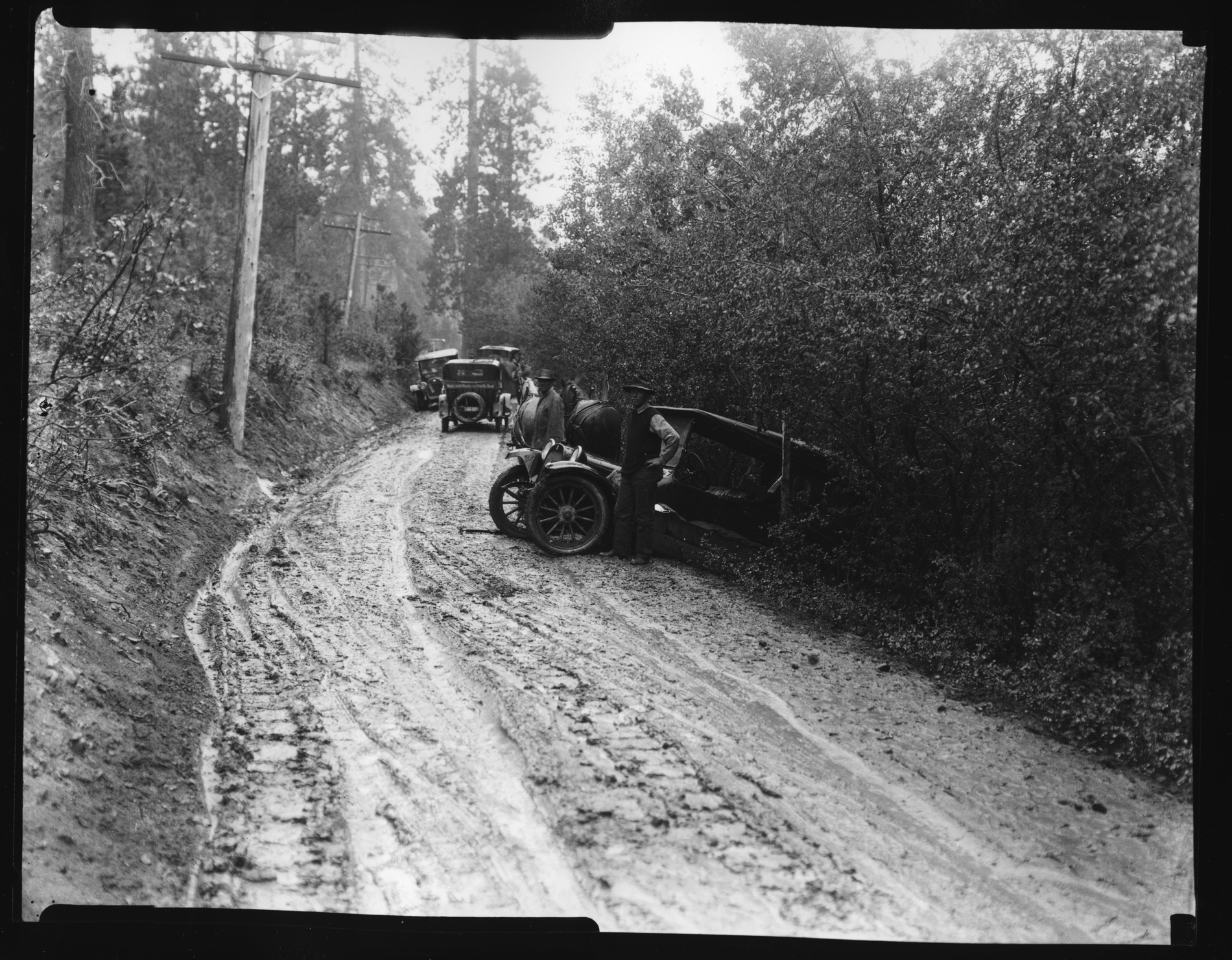
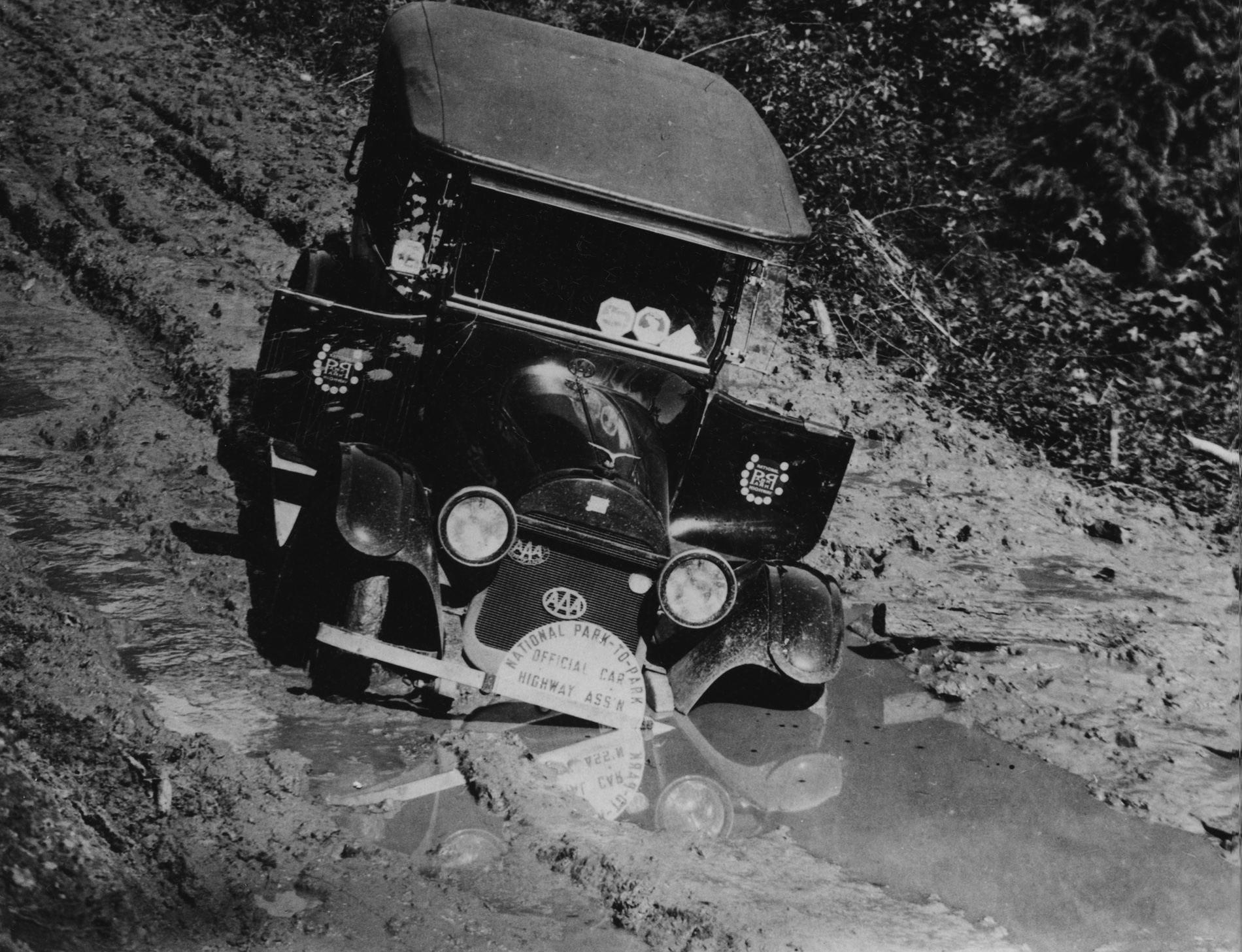
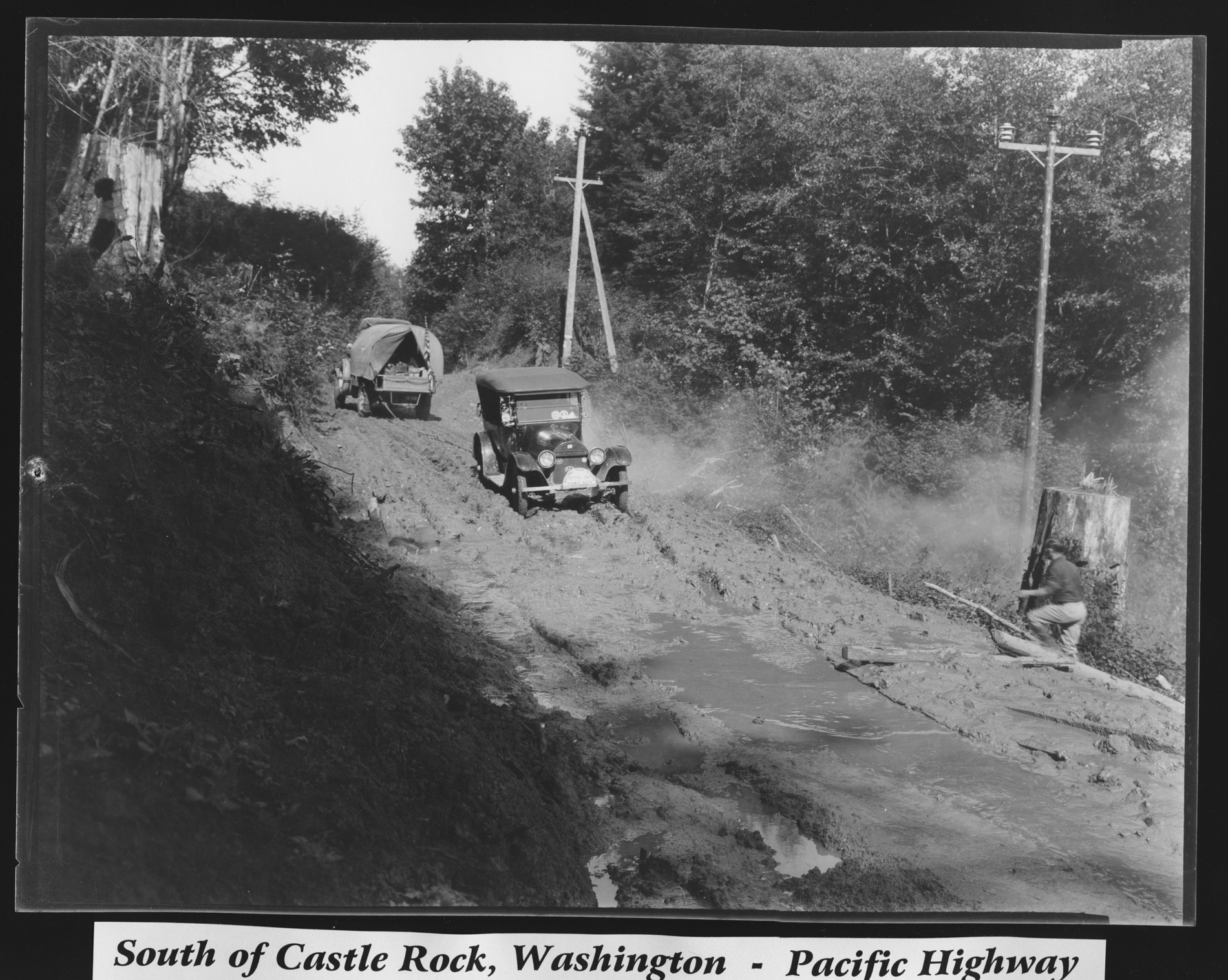
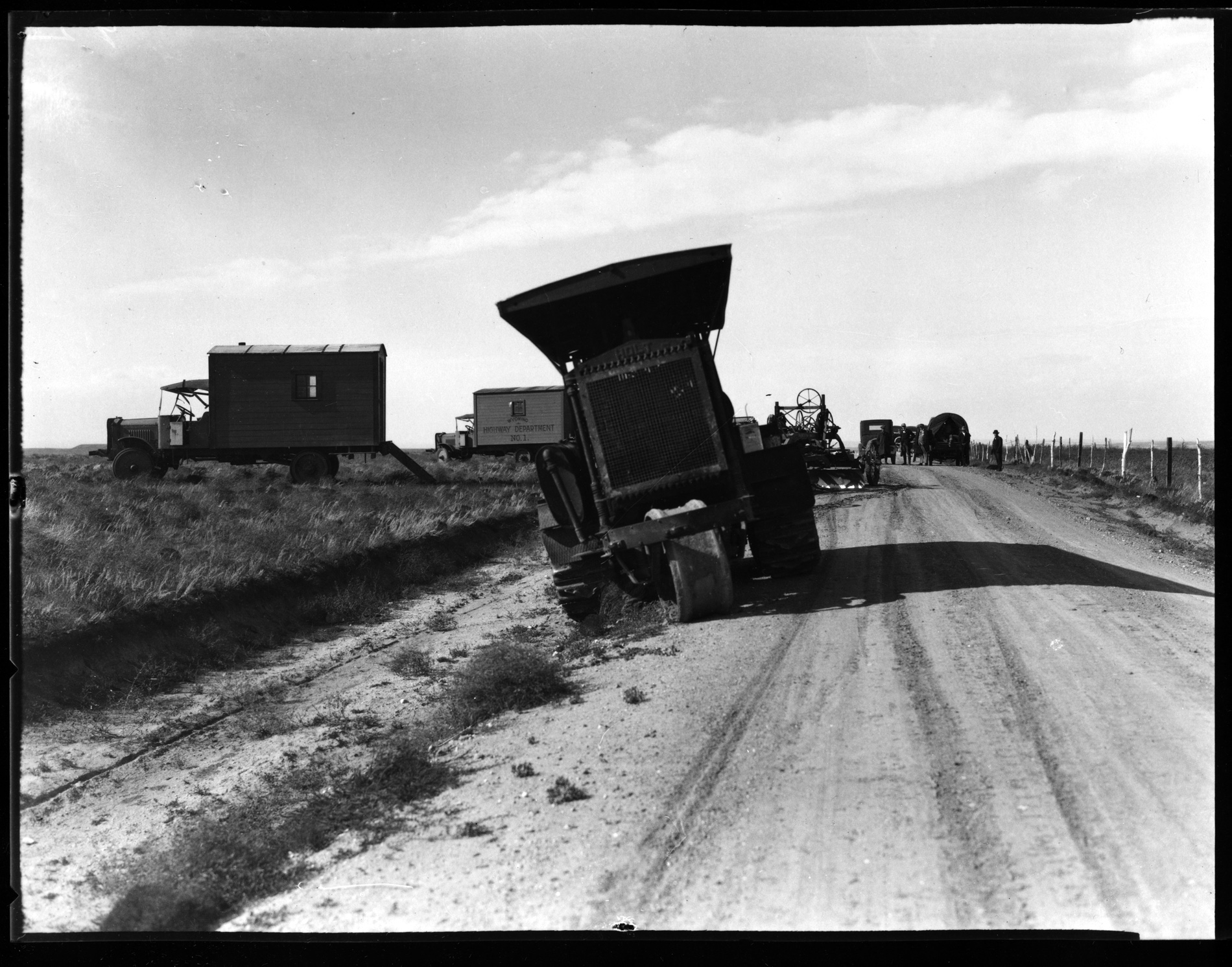
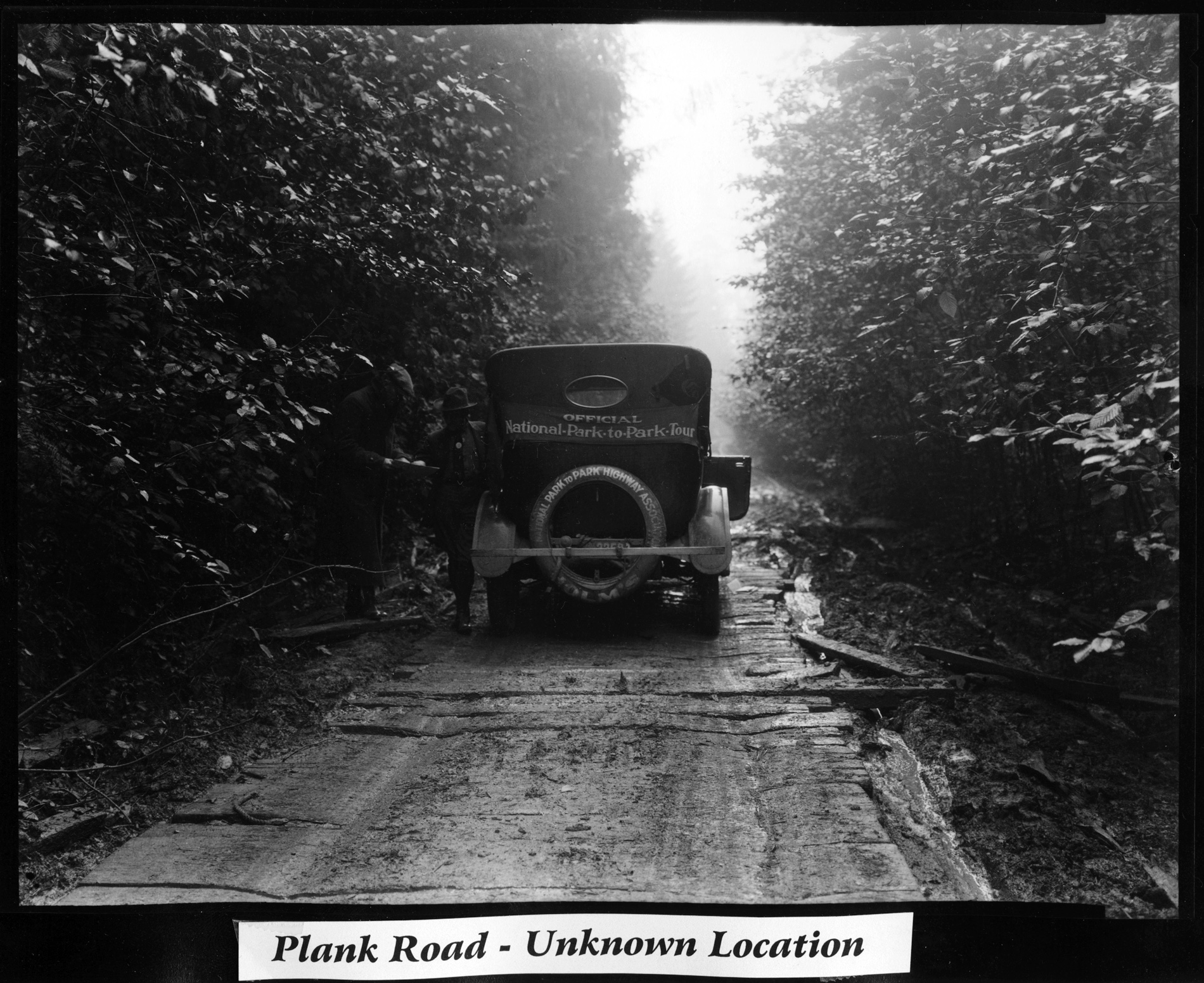
Outside the cities, American roads were dirt. Hard packed and rutted in dry weather, they turned into impassable mud baths in the rain. Farmers along popular routes made good side money hauling stranded automobiles out of the muck with teams of horses. Drivers wore dusters and goggles because the dust never stopped. There were no gas stations, no roadside diners, no motels, and no reliable maps. Early cars used gravity fed fuel lines, which meant a steep enough mountain grade could starve the engine. Some drivers famously solved the problem by turning around and driving up in reverse.
This was the world into which twelve motorists set out to circle the American West.
The Movement
See America First
A.G. Lucier Collection · 1920 inaugural tour
At the same time the automobile was arriving, a movement was building. "See America First" was its slogan, and its argument was simple: Americans were spending fortunes touring Europe while ignoring wonders in their own backyard that had no equal anywhere on Earth.
The National Park Service, established in 1916, was brand new and hungry for visitors. Its parks were being called the Nation's Playgrounds, but the playgrounds had a problem. Yellowstone and Rocky Mountain were reachable by car. Crater Lake and Mesa Verde could be reached only by rough wagon trails. Lassen Volcanic did not have a single automobile road inside the park. Every visitor arrived on horseback or on foot.
World War I and the 1918 flu pandemic put the whole movement on hold. But by the summer of 1920, America was restless, newly mobile, and ready to see itself. All it needed was a road.
The Idea
Two Men and a 5,000 Mile Idea
A.G. Lucier Collection · 1920 inaugural tour
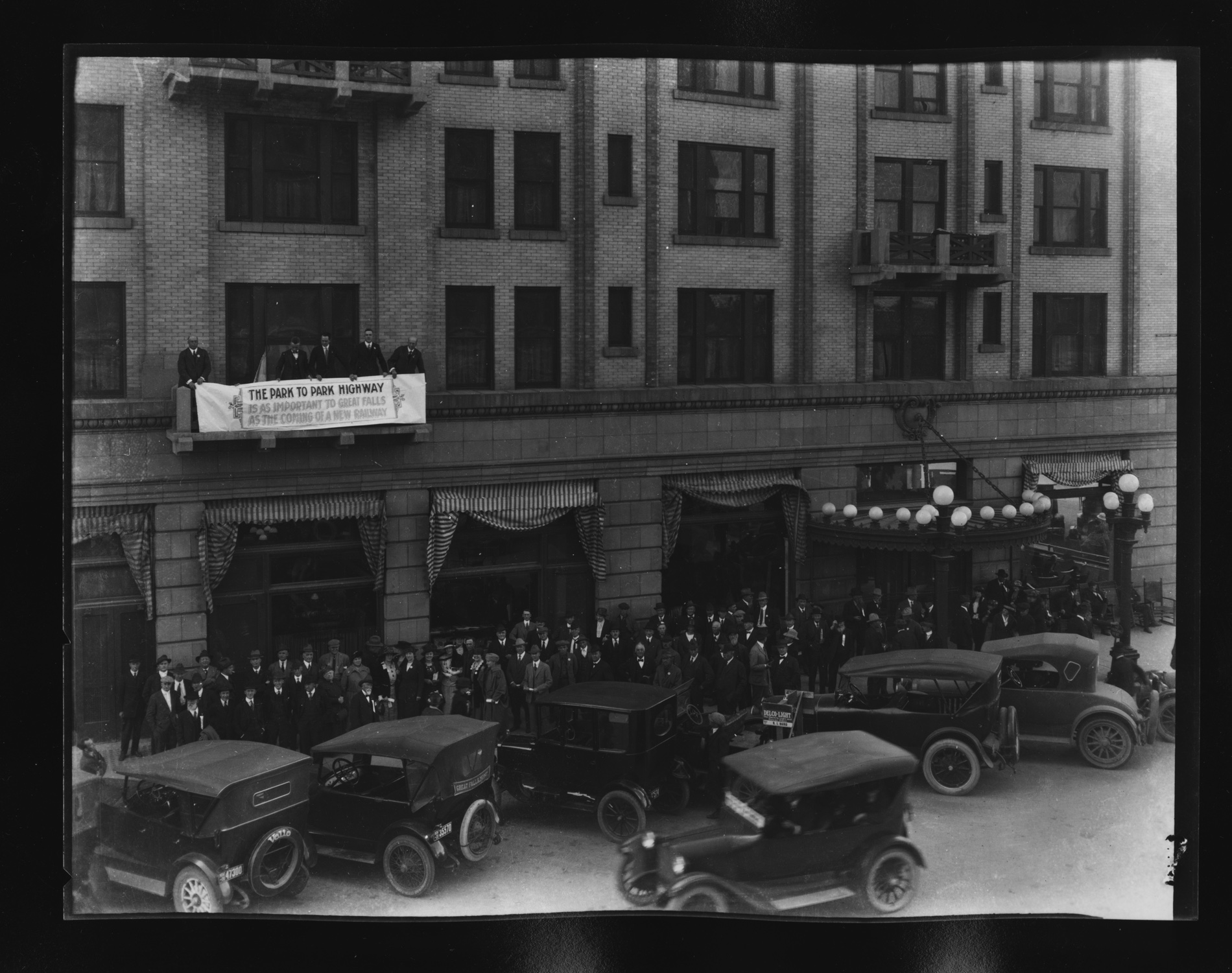
The National Park-to-Park Highway began as a conversation. At the dedication ceremony for Rocky Mountain National Park, a Cody, Wyoming booster named Gus Holm's and Stephen T. Mather, the first director of the National Park Service, talked through an audacious idea: a single grand loop of road connecting every National Park in the West.
Mather was the visionary. A borax millionaire turned public servant, he understood that the parks would only survive if Americans loved them, and Americans could only love what they could reach. He toured the parks through the 1920s in a chauffeured Packard with a license plate that read USNPS-1. The Park-to-Park Highway became his tool for turning the National Parks from a rich traveler's luxury into an everyman's birthright.
Anton L. Westgard was the tactician. A legendary pathfinder for AAA, Westgard had spent his career driving into blank spots on the map and coming back with mileage logs, route notes, and photographs. In the summer of 1920 he personally scouted and mapped the entire loop: Denver through Colorado, Wyoming, Idaho, Montana, Washington, Oregon, California, Utah, Arizona, and back. One man provided the idea. The other provided the manpower.
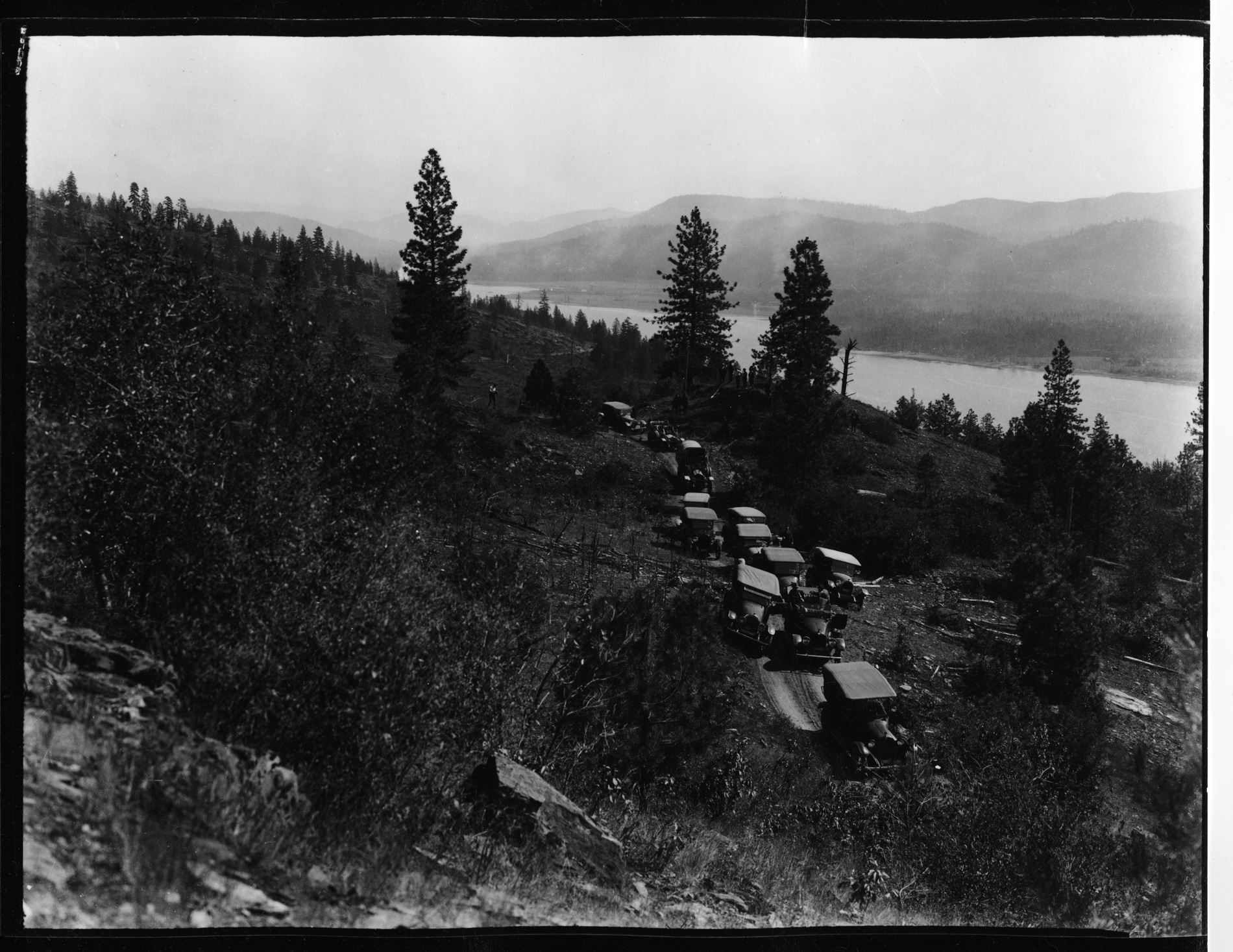
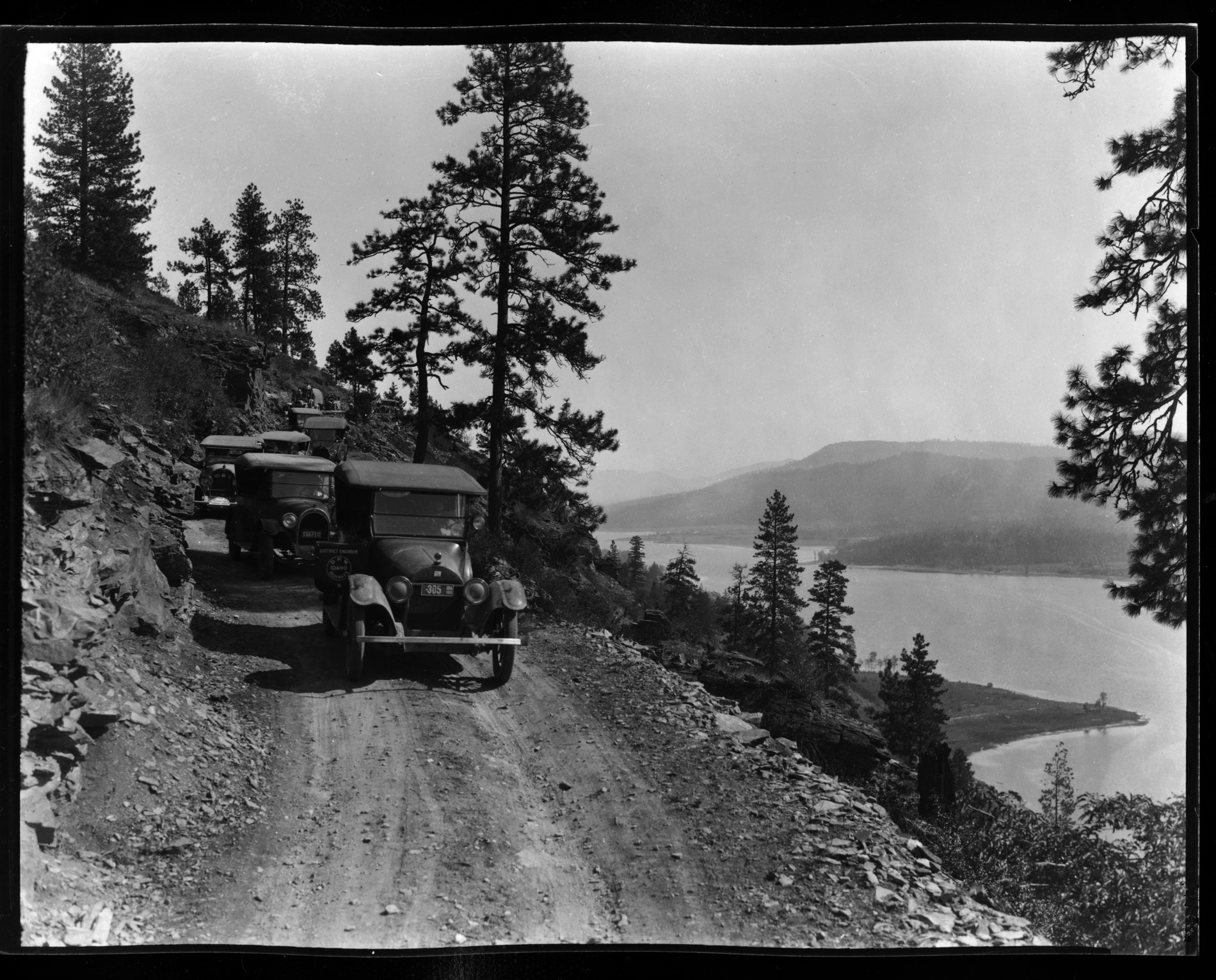
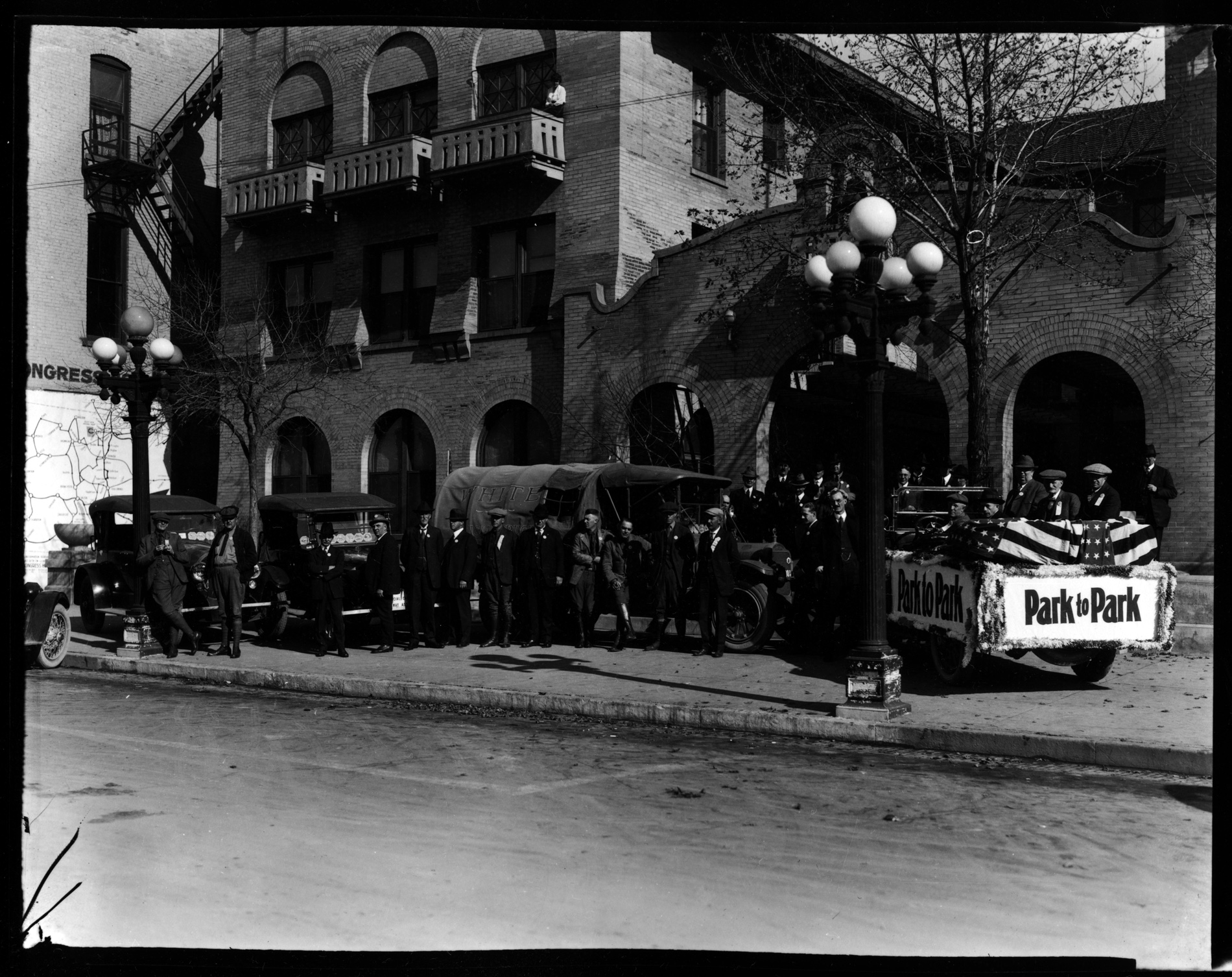
On the clear, cloudless morning of August 26th, 1920, the inaugural tour rolled out of Denver. Ahead of them lay 5,000 miles, 12 National Parks, 11 states, and 76 days of driving and public speaking on roads that were barely roads at all. A promotional map from the era bragged that the route was "1.5% macadamized." That was the good news. The other 98.5% was dirt.
Chapter One
Estes Park and the Proof of Concept
A.G. Lucier Collection · 1920 inaugural tour
The first stop was Estes Park, gateway to Rocky Mountain National Park. The mountain road was scenic and treacherous, full of switchbacks that many cars of the day simply could not handle. But because Rocky Mountain sat within easy reach of Denver, it was already drawing more visitors than any park in the system. It was living proof of the tour's entire message: build the roads, and the tourists will come.
Chapter Two
Yellowstone, Four Days in Wonderland
A.G. Lucier Collection · 1920 inaugural tour
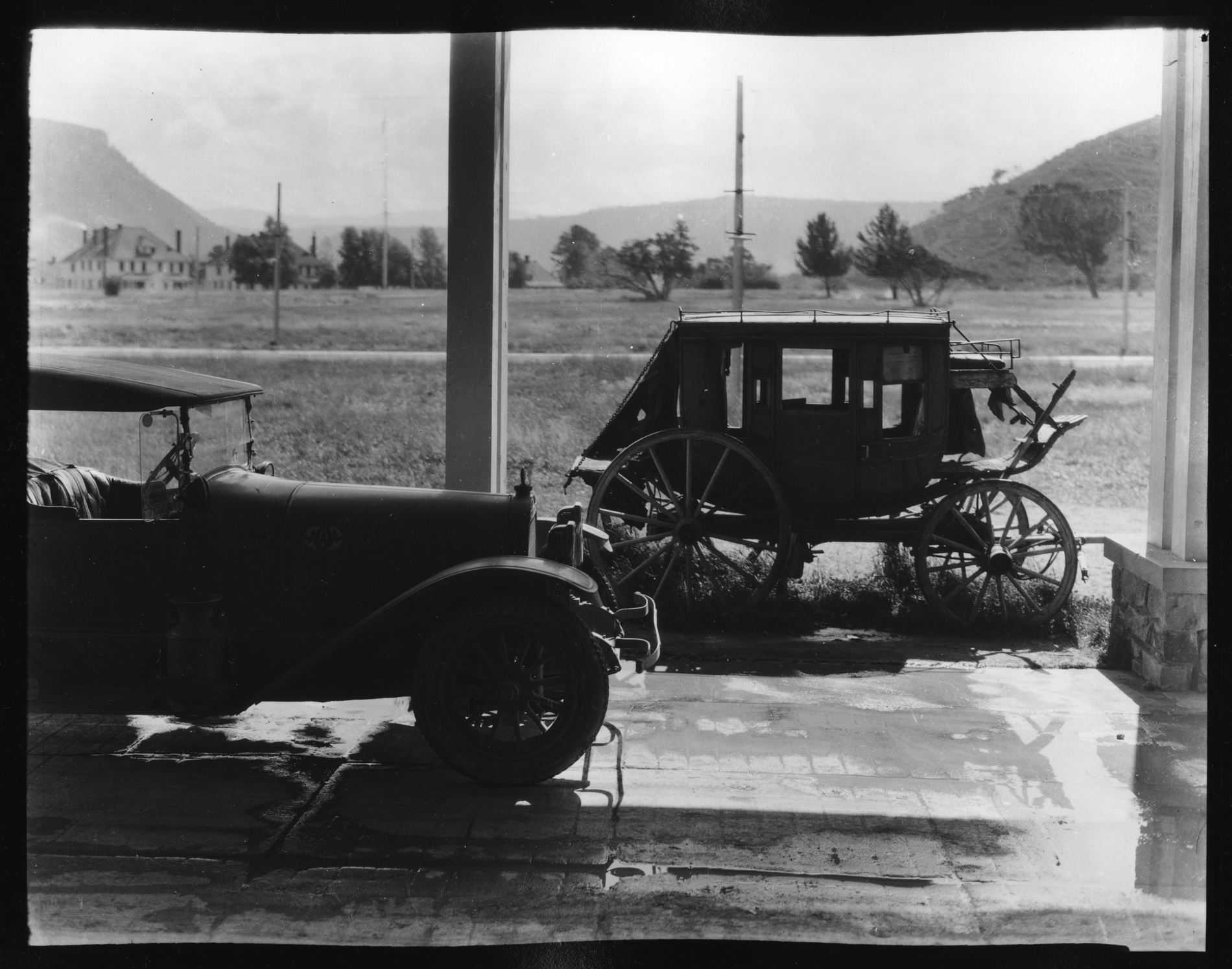
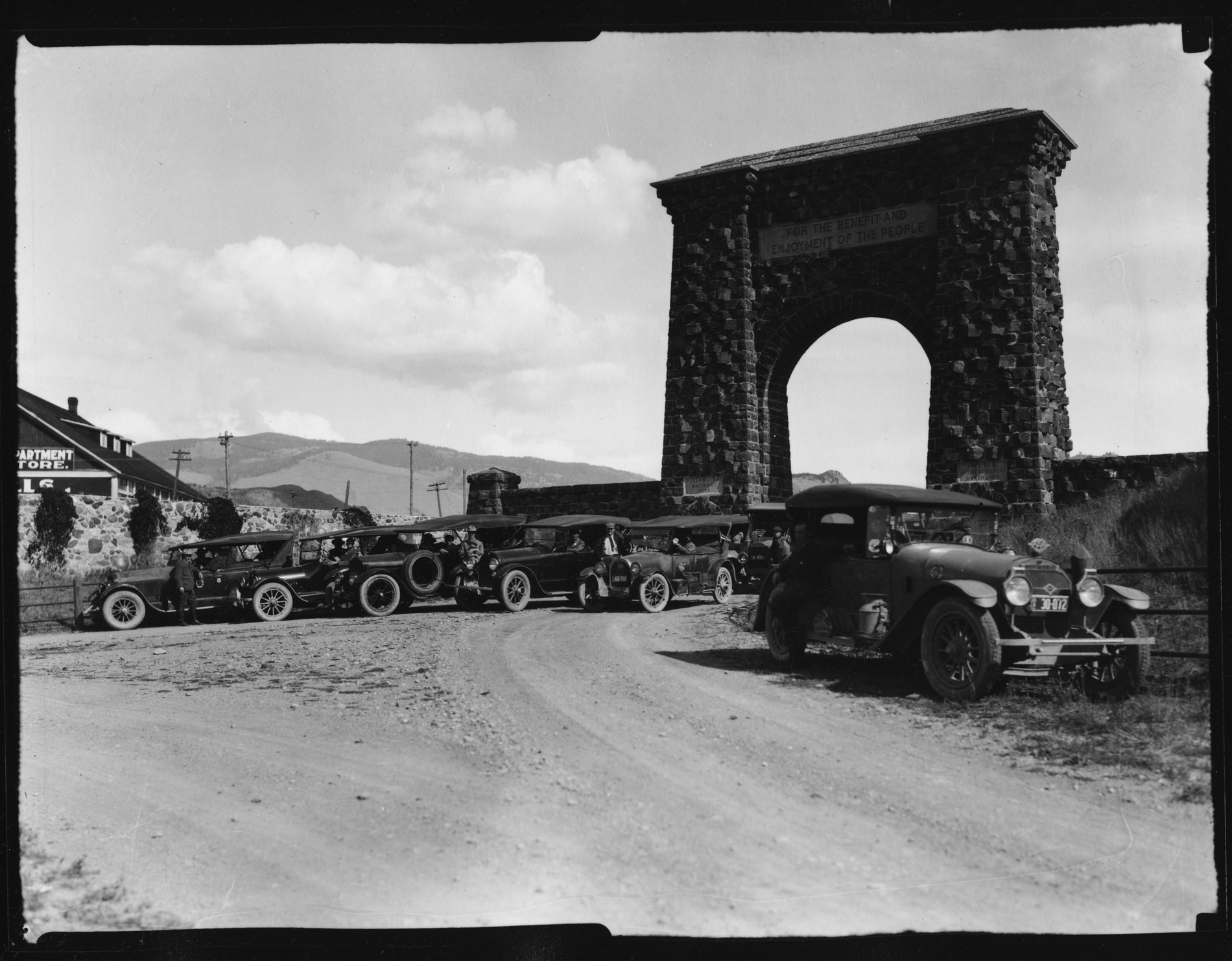
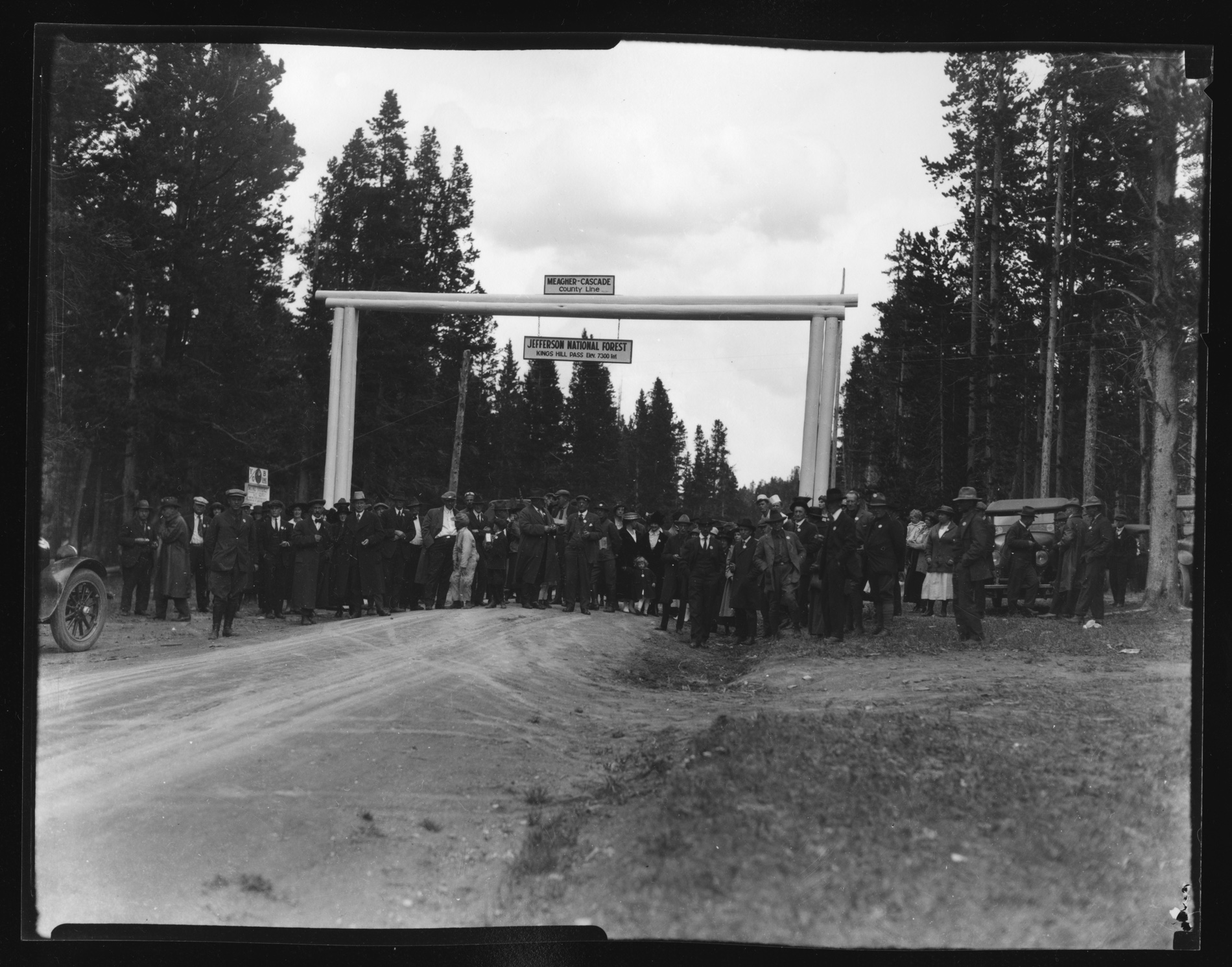
The leg to Yellowstone was mercifully smooth. The Yellowstone Highway had been completed just three months earlier, road signs and all. The caravan entered the park on September 3rd and stayed at the Lake Hotel, taking four full days to explore geysers, canyons, and hot springs. At the park entrance, inspections in 1920 were less about who you were and more about whether your automobile was equipped to survive the park.
Chapter Three
Glacier, Where the Railroad Still Ruled
A.G. Lucier Collection · 1920 inaugural tour
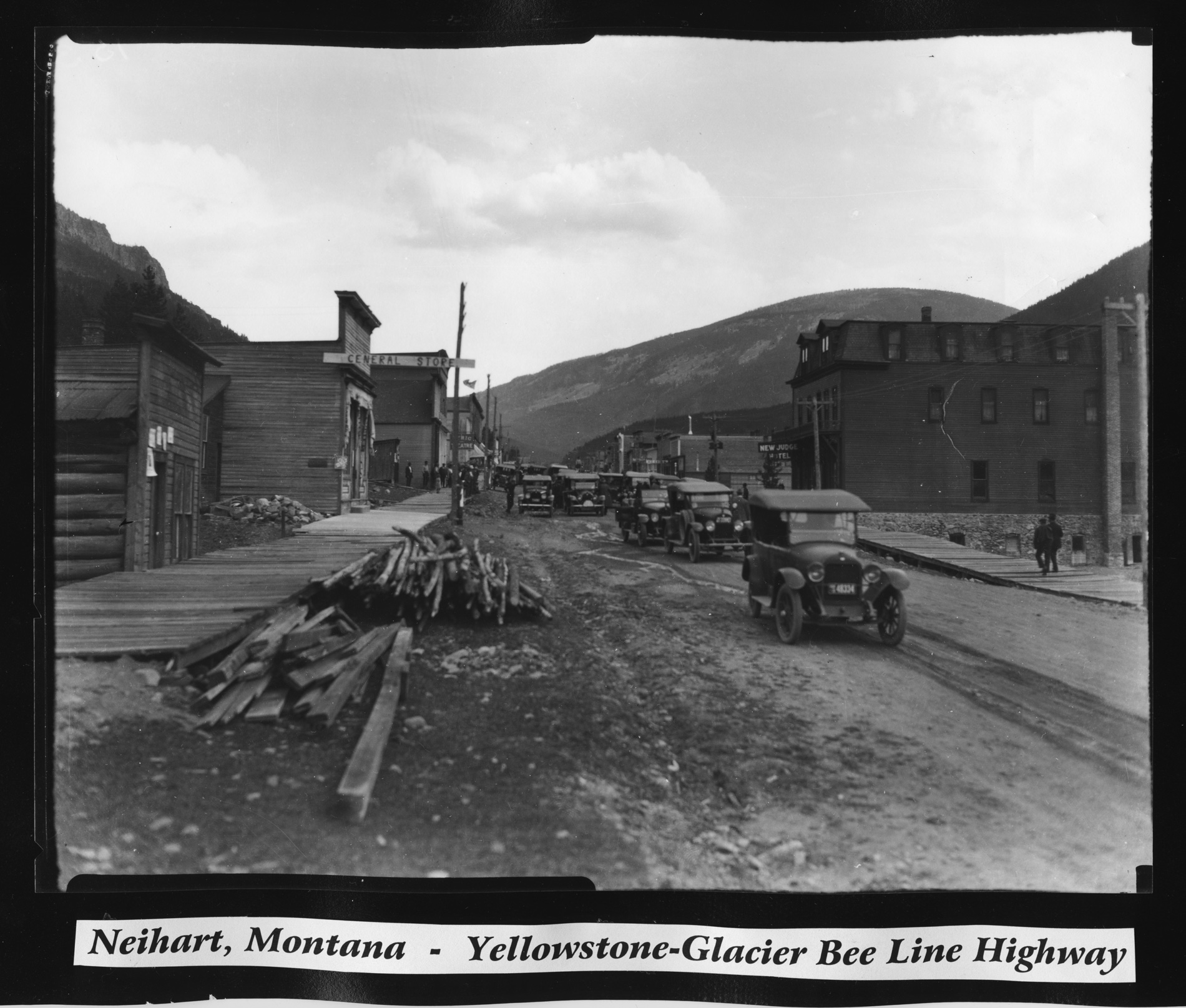
From Mammoth Hot Springs the tour crossed into Montana, running 400 miles over four and a half days along the Yellowstone-Glacier Beeline Highway. At Glacier, the Great Northern Railway still controlled transportation inside the park, and real roads did not yet exist. The motorists had to send their automobiles around to Belton by rail while they toured the park's lakes and glaciers in white buses. The irony was not lost on anyone. Here was a caravan preaching the gospel of good roads, touring a park that had none. Mather was already championing an east to west route across Glacier that would complement the Park-to-Park Highway. It would become one of the most famous drives on Earth: the Going-to-the-Sun Road.
Chapter Four
Spokane, and the Loss of the Pathfinder
A.G. Lucier Collection · 1920 inaugural tour
Then the tour nearly ended. Somewhere past Glacier, Anton Westgard, the one man who had driven every mile of the route ahead, became gravely ill. When the caravan reached Spokane, his doctor put him on a train to San Francisco for treatment. He tried to rejoin his motorists later in the journey, but his health failed for good, and he had to leave the tour he had made possible. He died the following year, and a mountain pass in California's White-Inyo range still bears his name.
The group faced a hard choice with the tour not even half finished. Turn back and race approaching winter over the Rockies? Abandon the route and beeline for Denver? Or press on for 3,000 more miles with nothing but Westgard's notes to guide them?
They pressed on. Gus Holm's, the man whose conversation with Mather had started it all, took over as leader, navigating by the Pathfinder's detailed logs of the roads ahead.
Chapter Five
Rainier to the Sierra, the Long Middle
A.G. Lucier Collection · 1920 inaugural tour
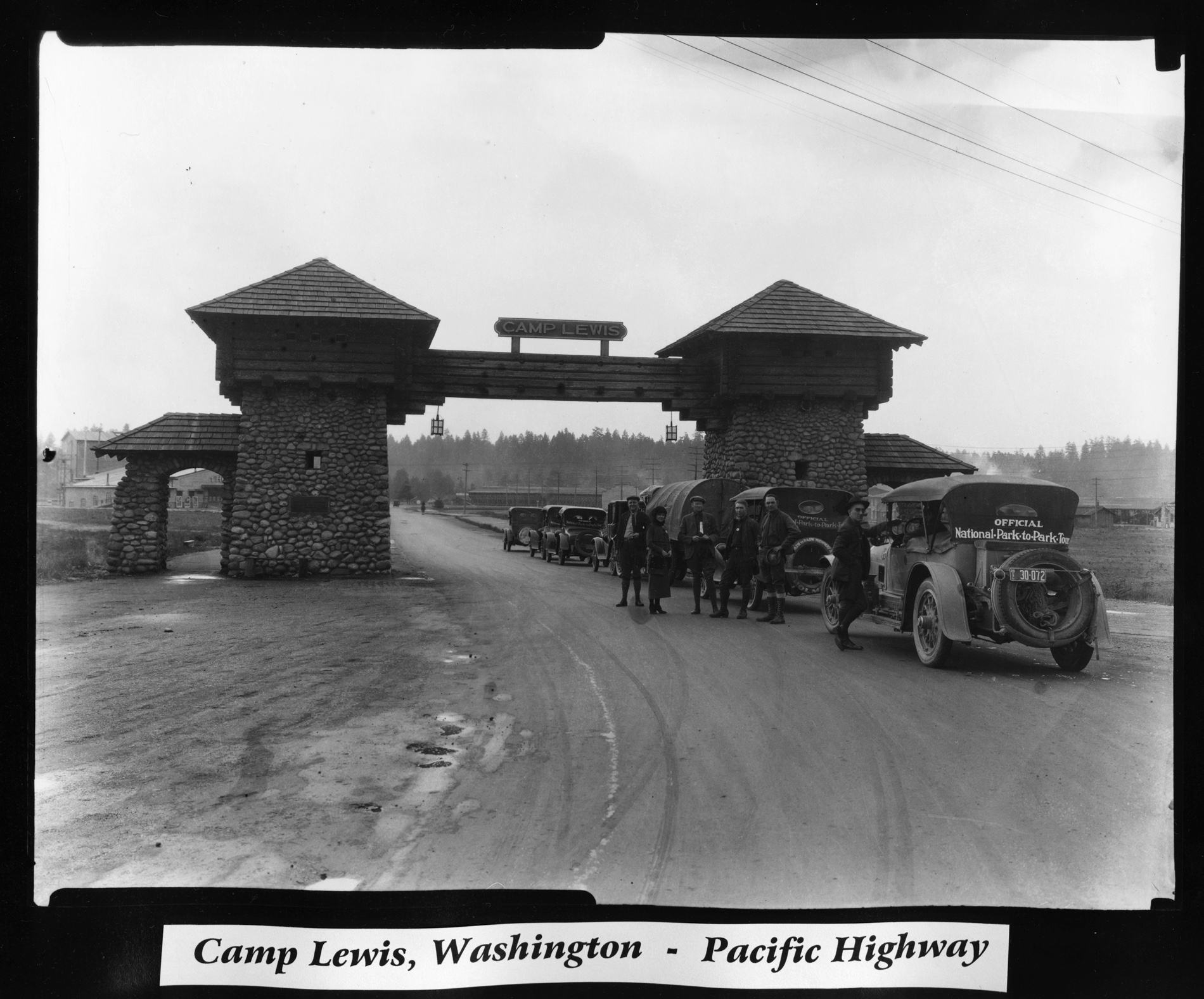
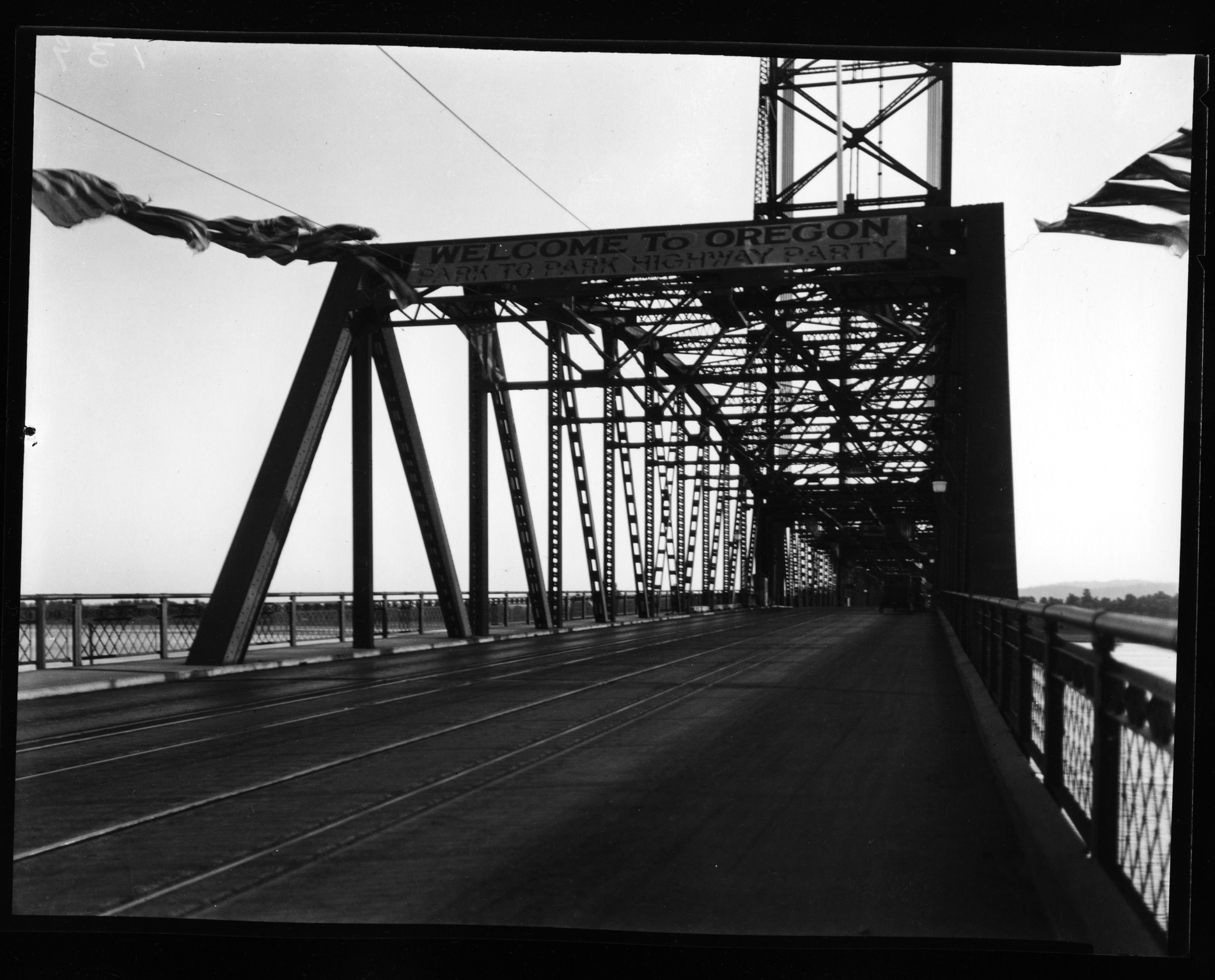
Through Cle Elum, Seattle, and Tacoma the weather turned gray in classic Pacific Northwest fashion, but every town gave the caravan a hero's welcome. On September 25th, Mount Rainier filled the horizon, and the motorists drove the same switchbacks President Taft had ridden up in 1911, spending two days in Paradise Valley.
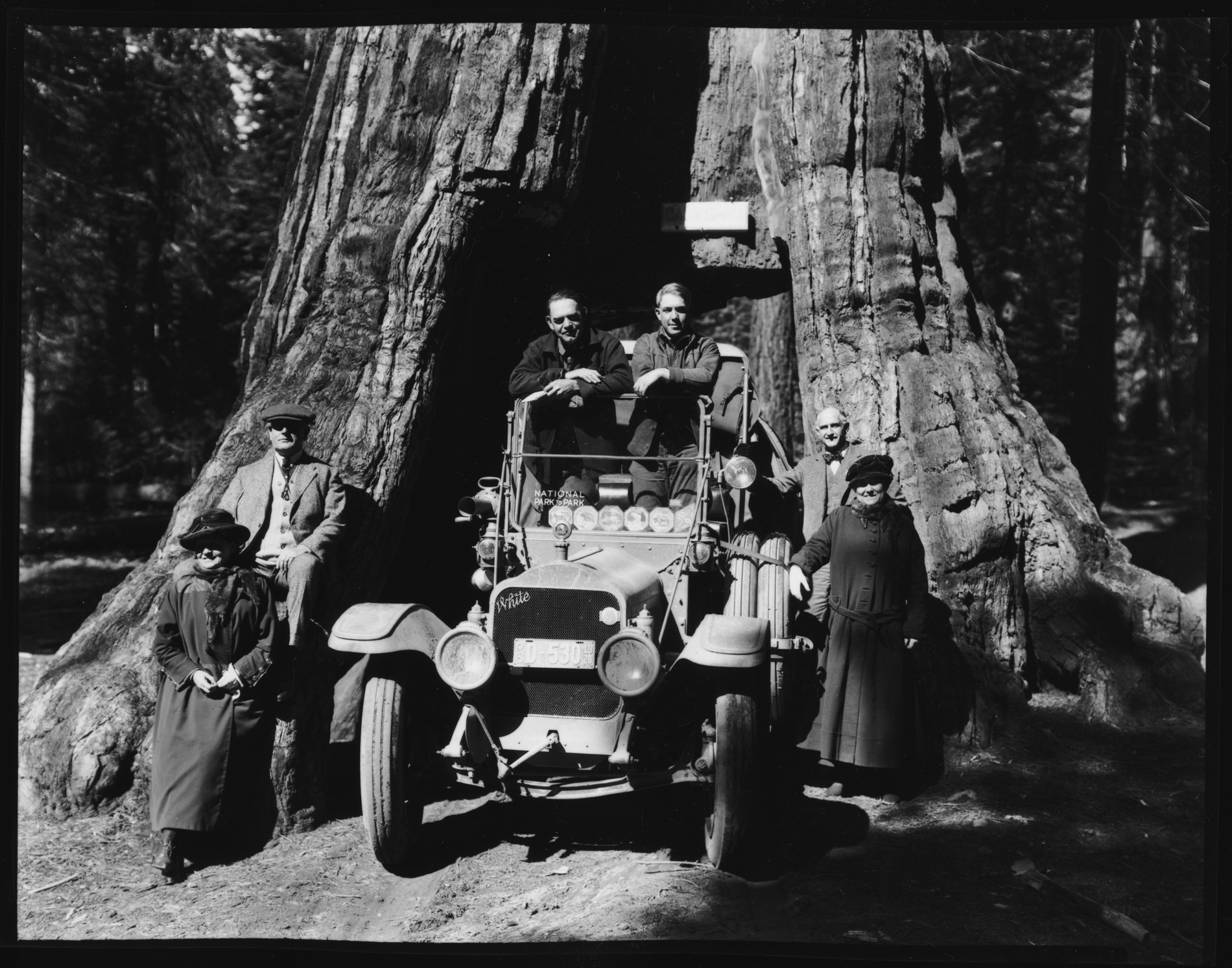
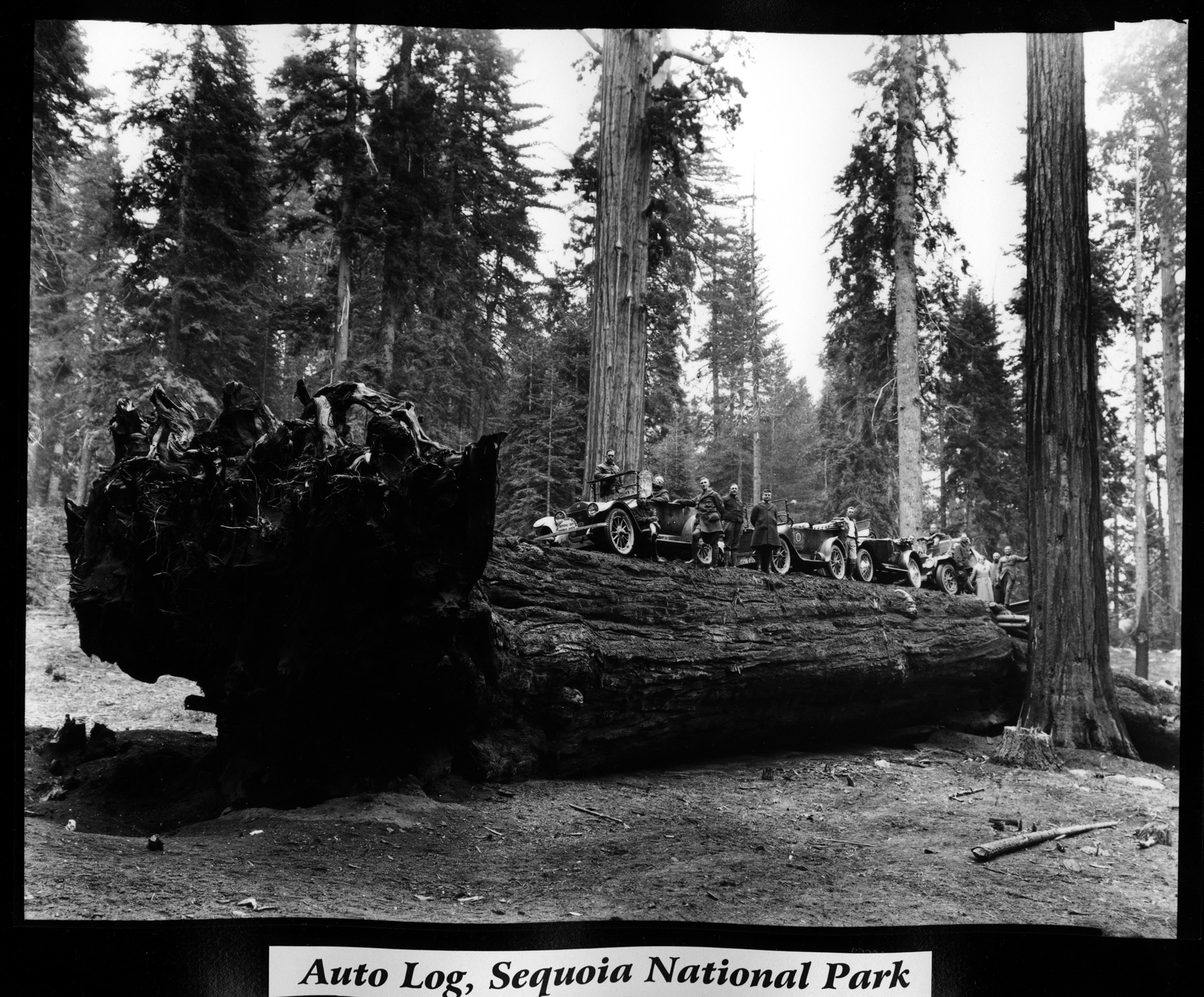
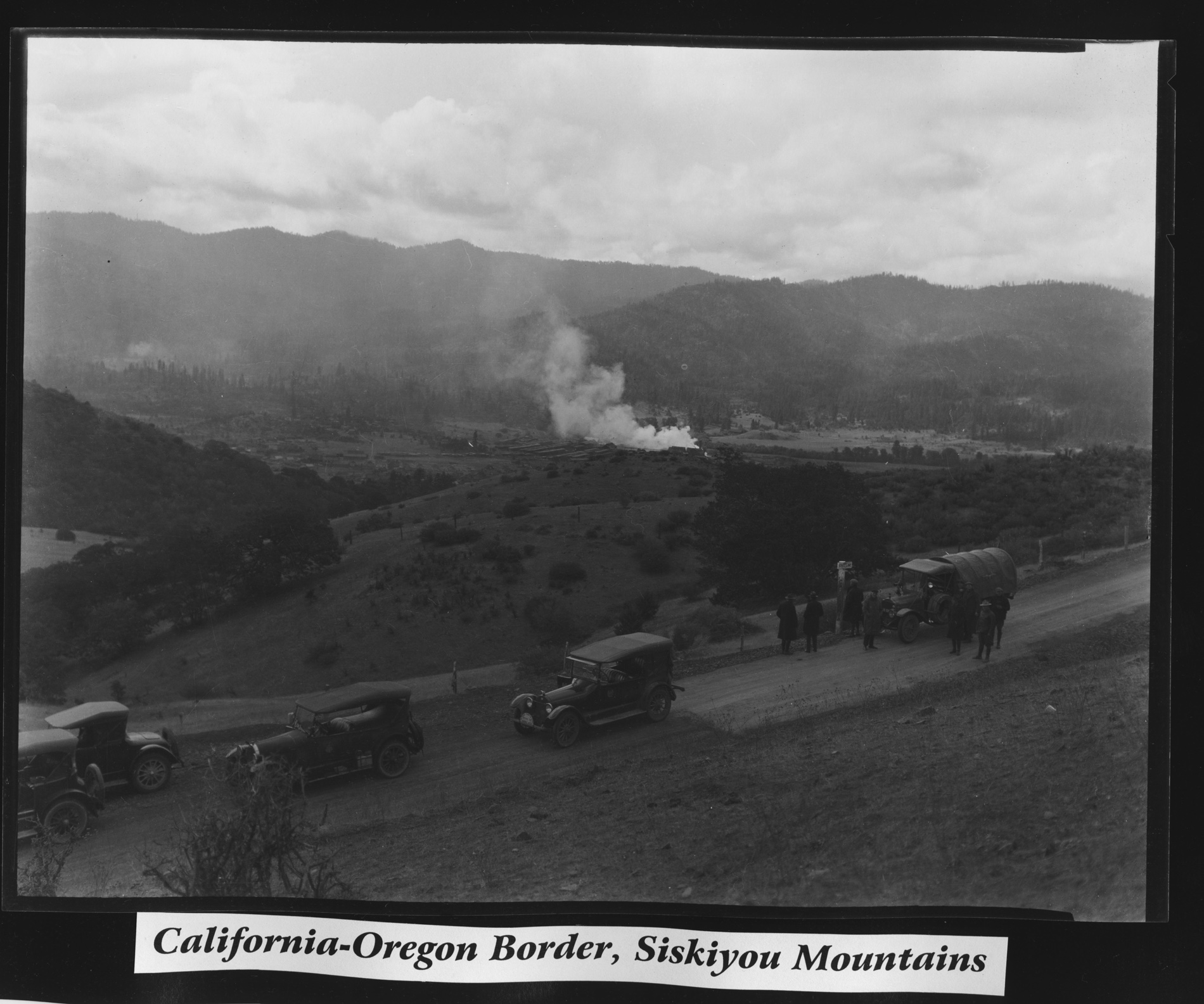
Between towns, the wining and dining stopped and survival planning took over. The cars carried canned meat, beans, crackers, canned fruit, and milk chocolate, provisions for the long empty stretches where a breakdown could strand the party for days. South they went: Crater Lake, over roads one park official called some of the worst he had ever traveled. Then Lassen Volcanic, a park so new to the automobile age it had to be admired mostly from outside. Then Yosemite, General Grant (today's Kings Canyon), and Sequoia, where the road wound beneath trees older than the Roman Empire.
Chapter Six
The Desert Push
A.G. Lucier Collection · 1920 inaugural tour
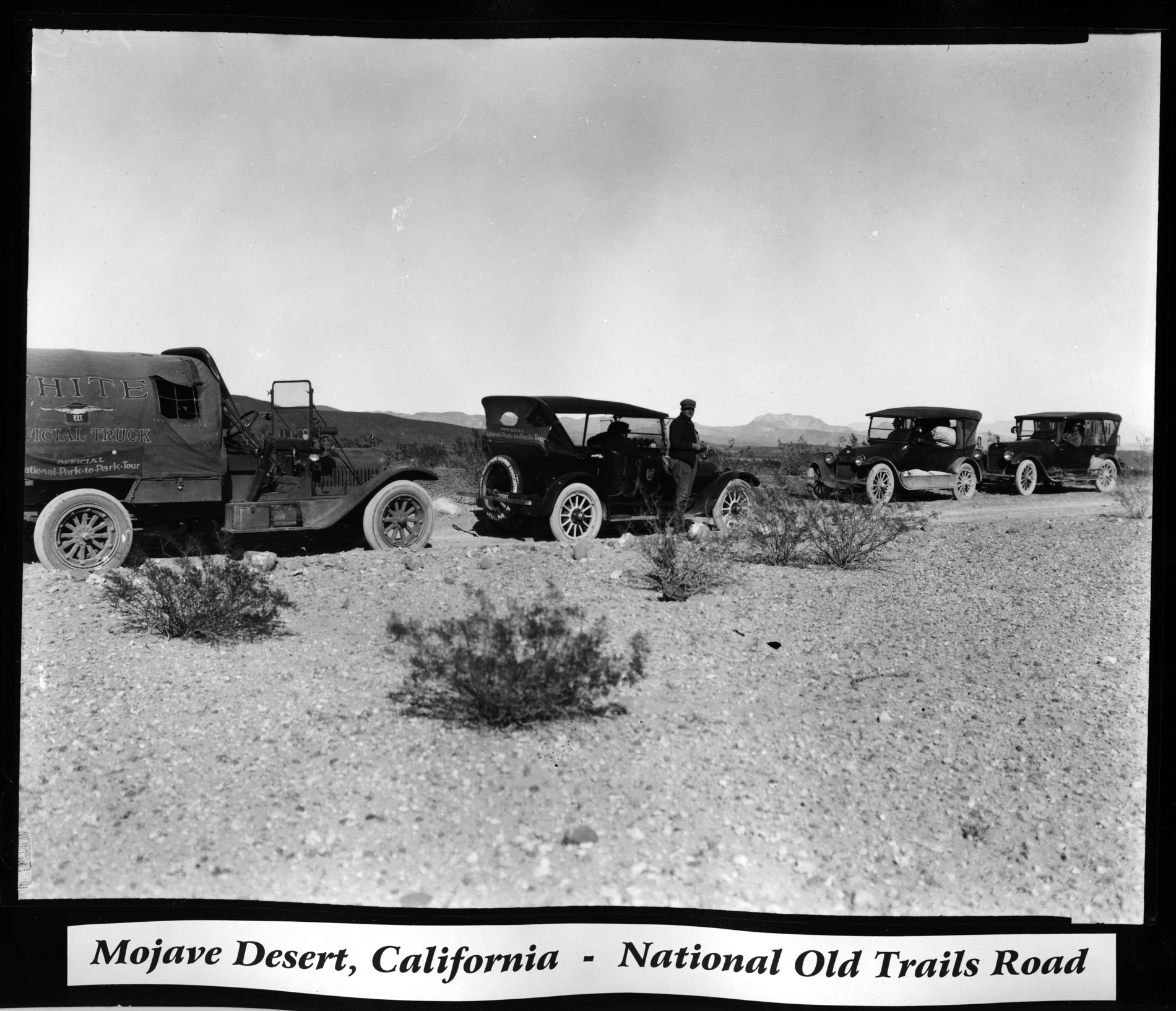
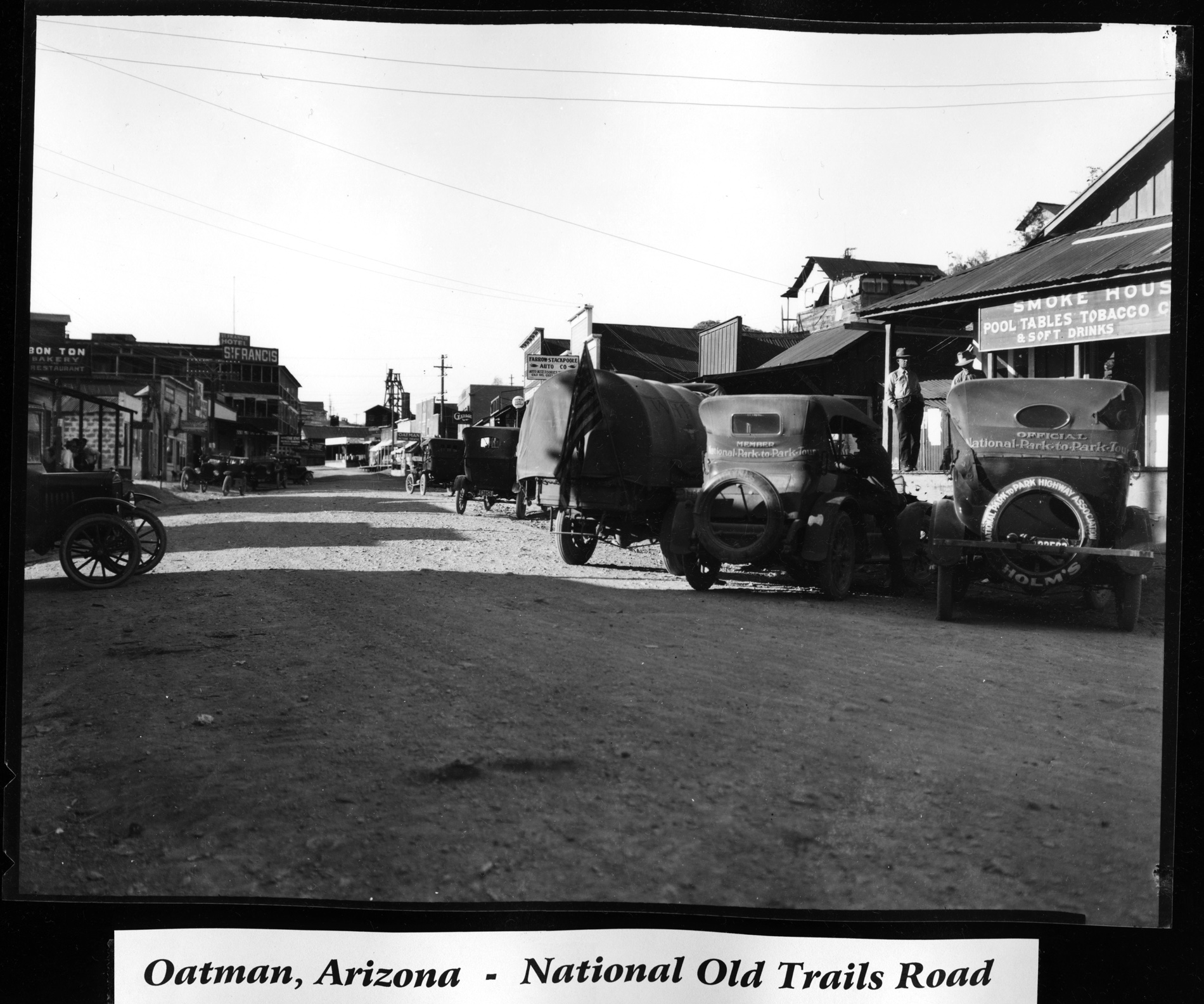
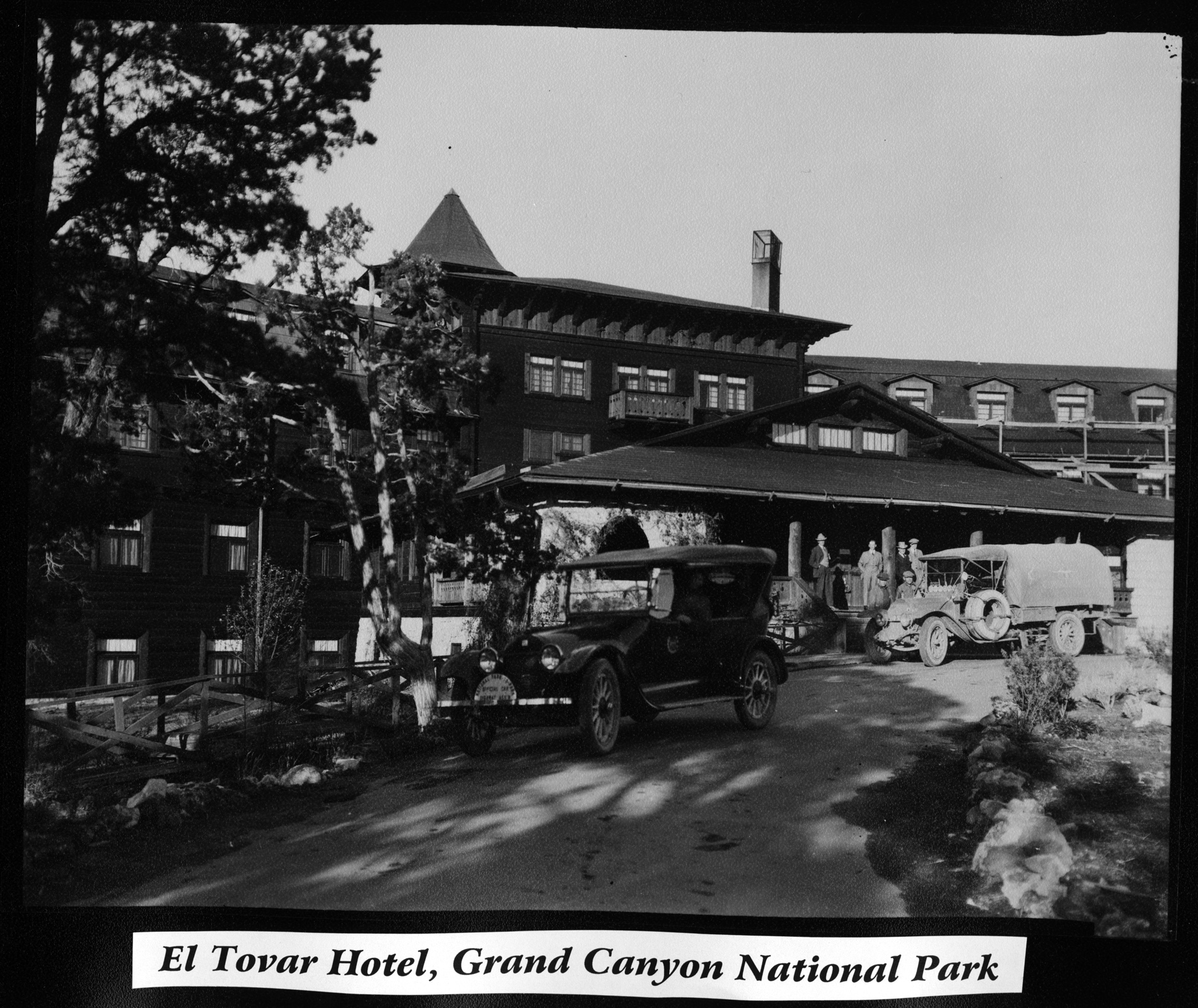
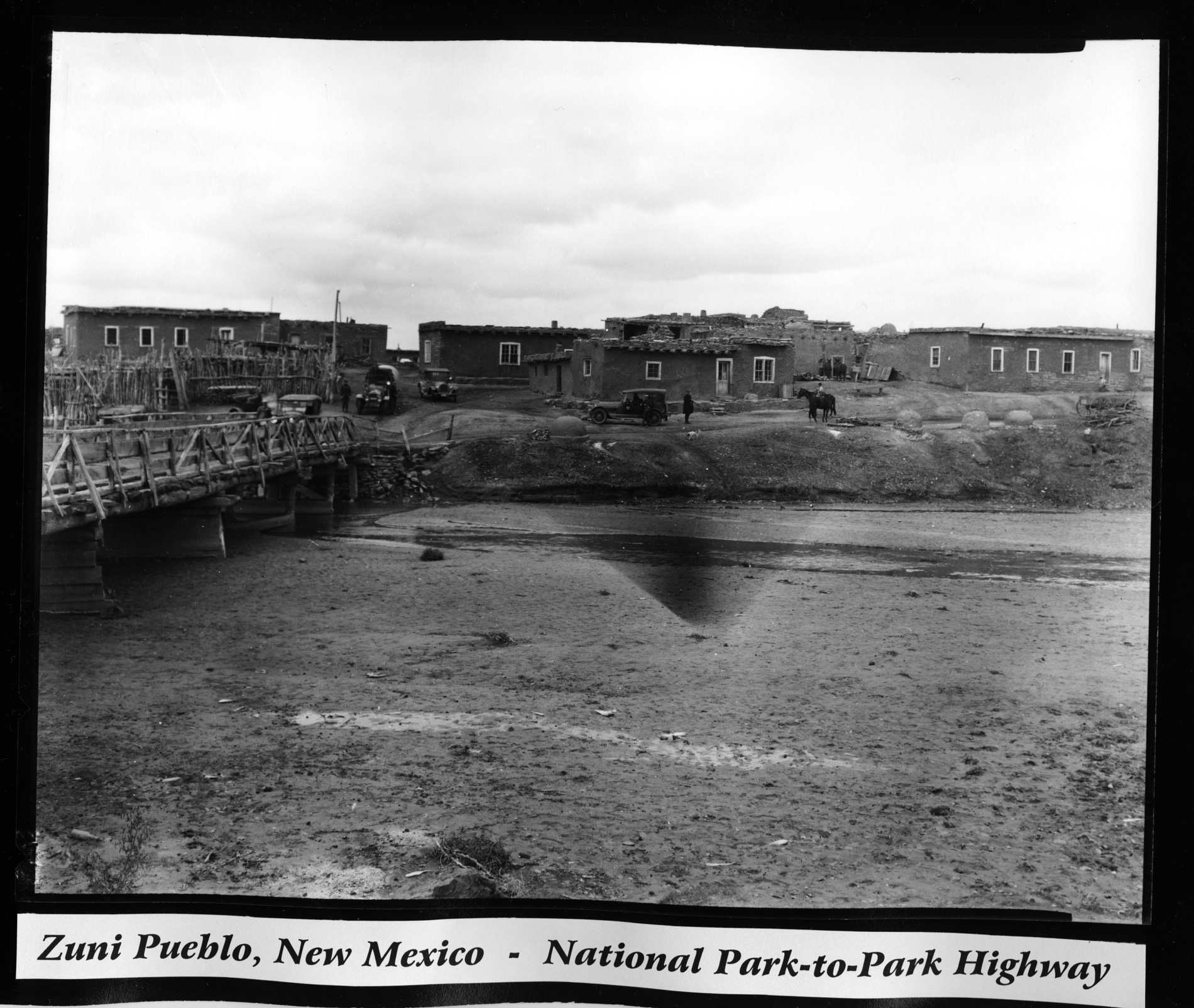
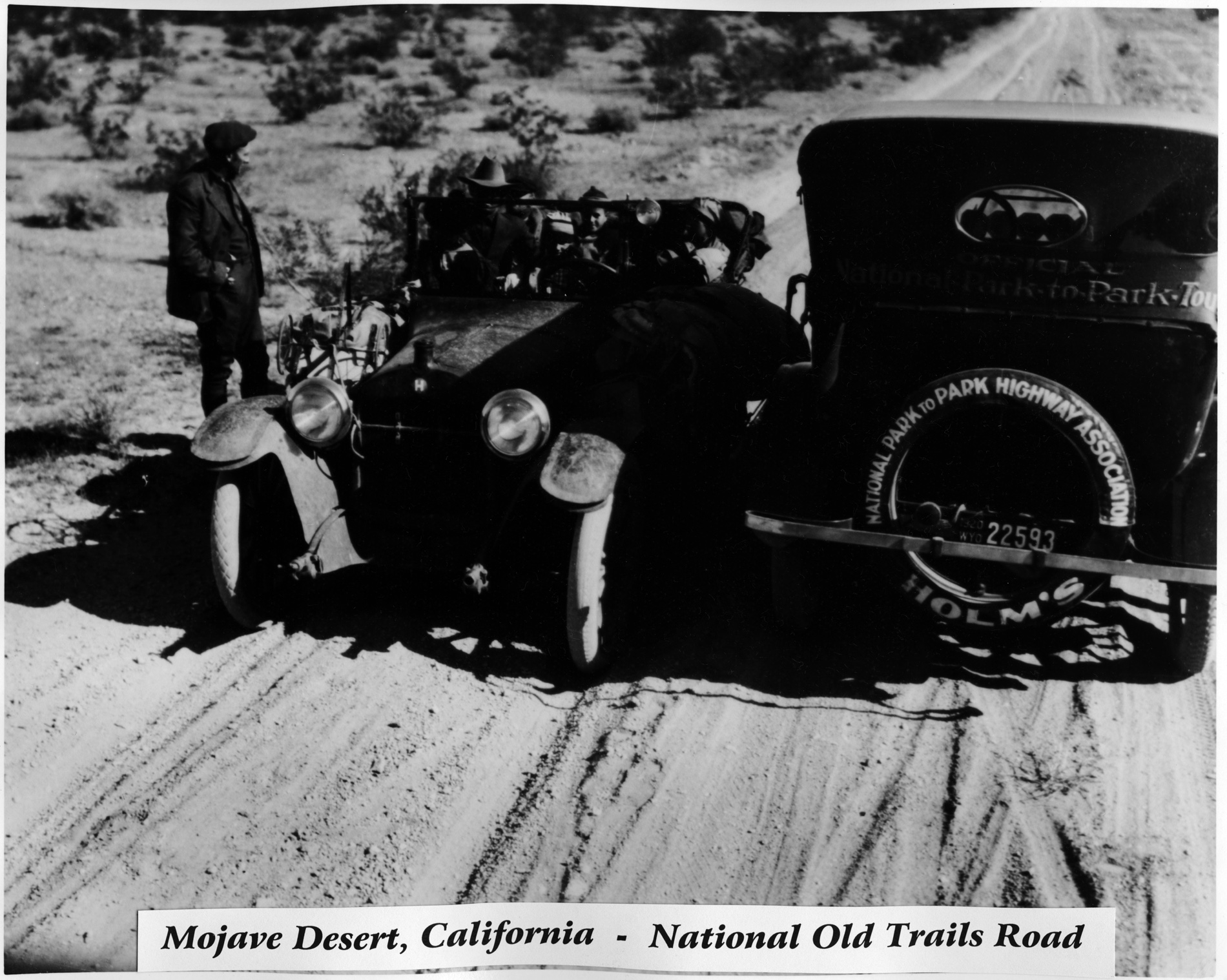
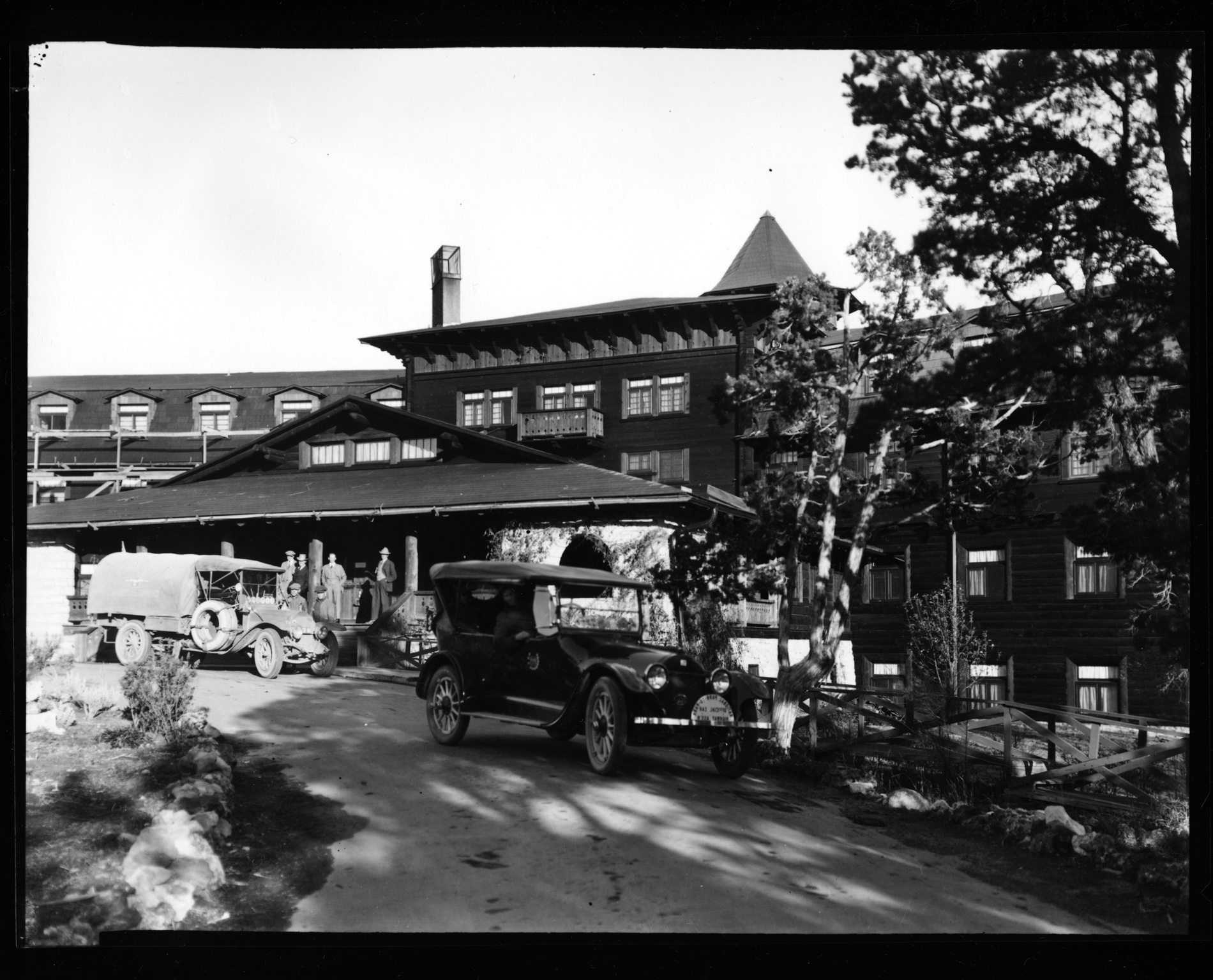
After Los Angeles, where the Auto Club of Southern California hosted the weary travelers, the caravan rolled east on the road that would later become Route 66. The Mojave Desert was the cruelest stretch of the entire loop. Dust worked into everything, clothes, food, and engines alike. With 4,000 miles already behind them, a 500 mile push to Zion felt nearly unbearable. They made it anyway, then on to the Grand Canyon, and finally to Mesa Verde.
Mesa Verde delivered one last reminder of why they had come. The park's single major road, the Knife Edge Trail, had been described by future Park Service director Horace Albright as one of the most disreputable, dangerous, fearsome bits of slippery rotted misery he had ever had the misfortune to travel. The motorists arrived on November 6th with their mission burning brighter than ever.
Chapter Seven
Homecoming
A.G. Lucier Collection · 1920 inaugural tour
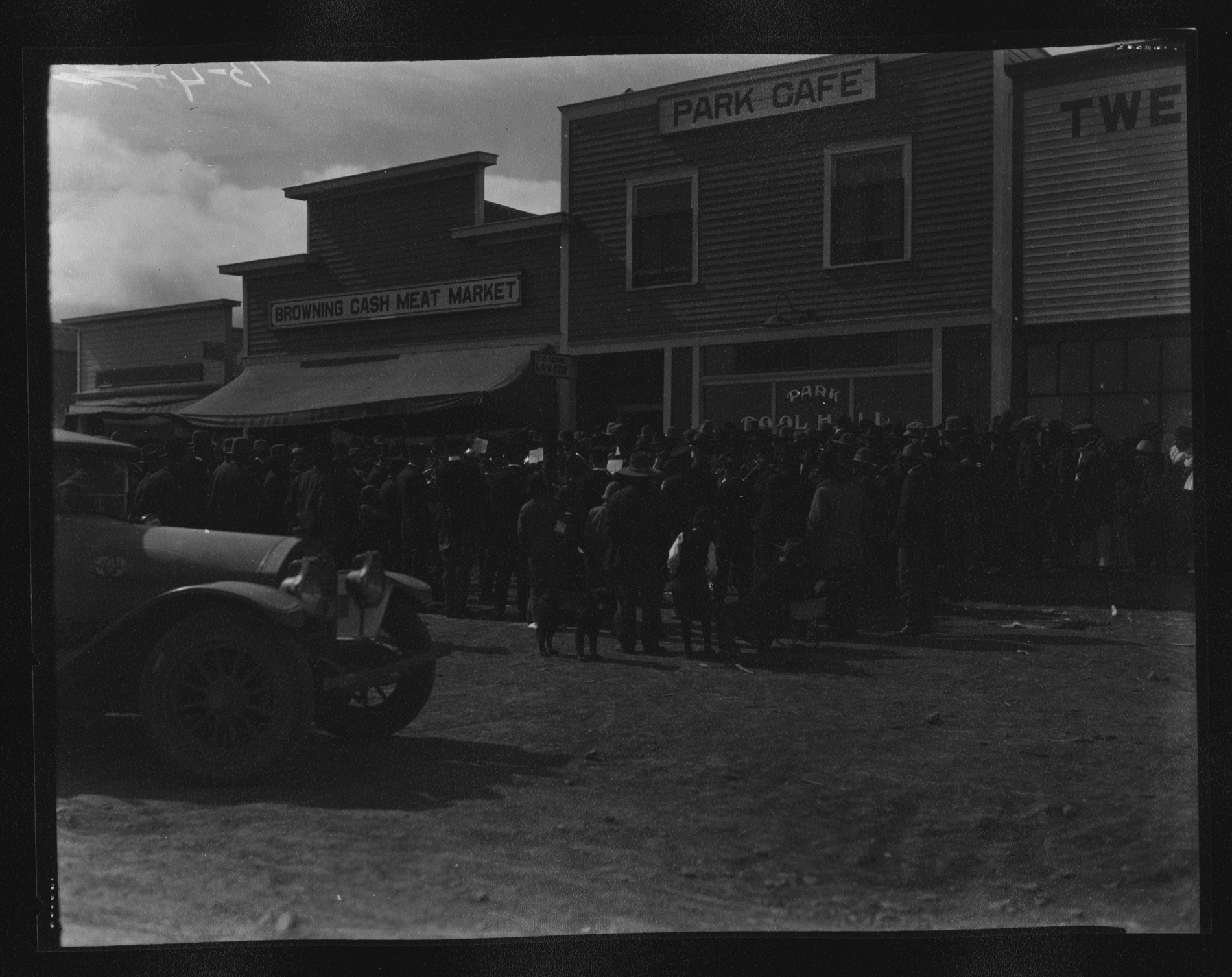
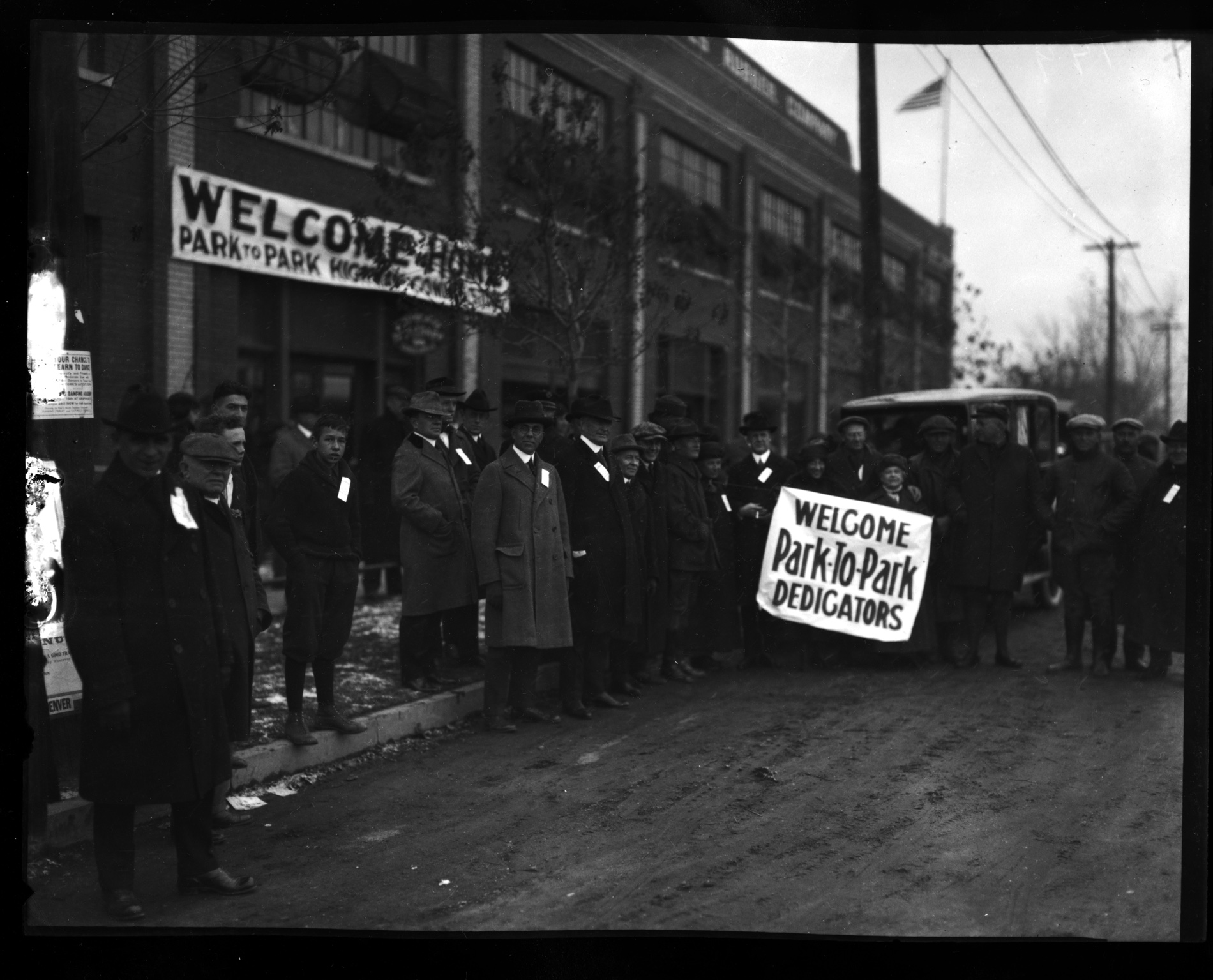
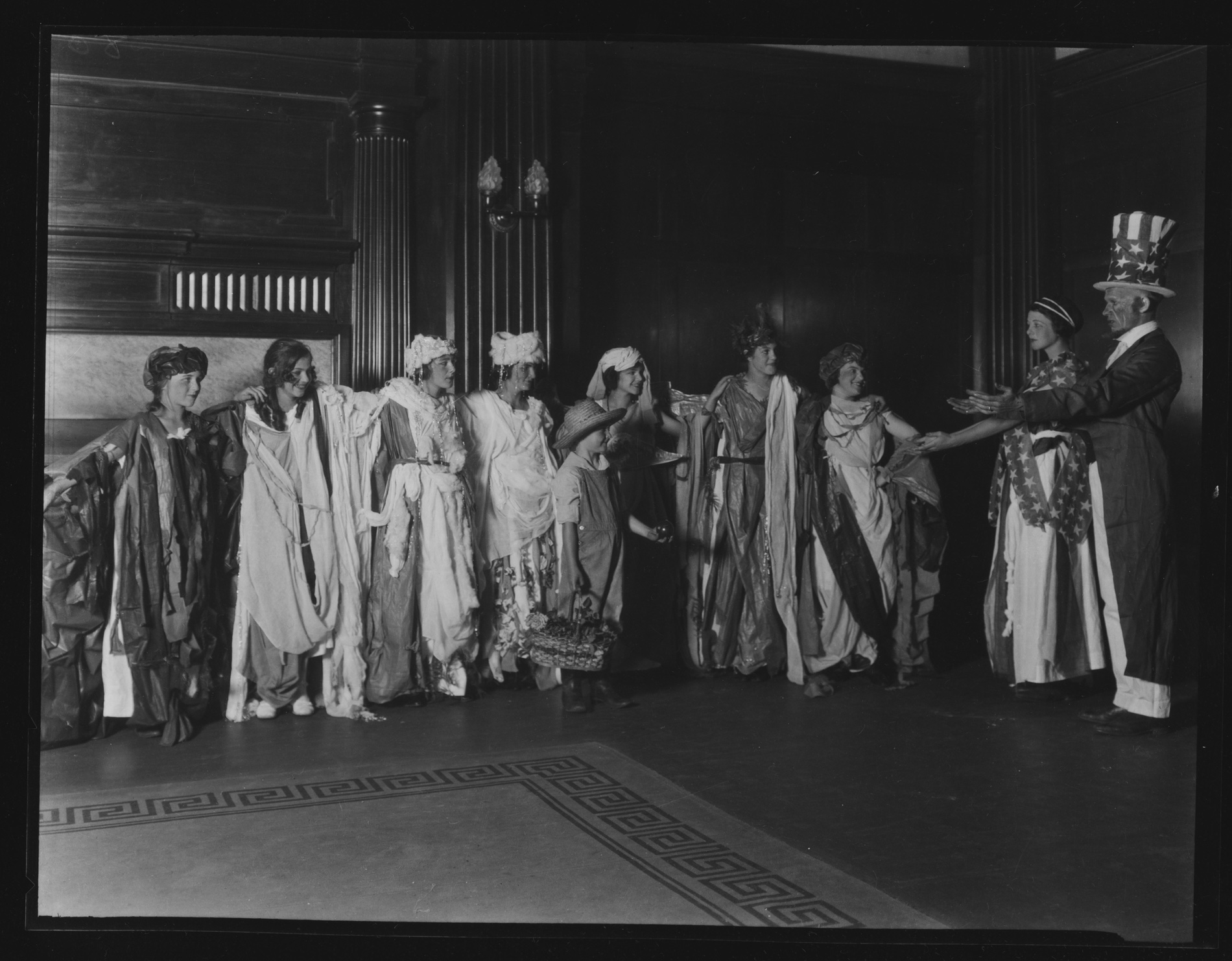
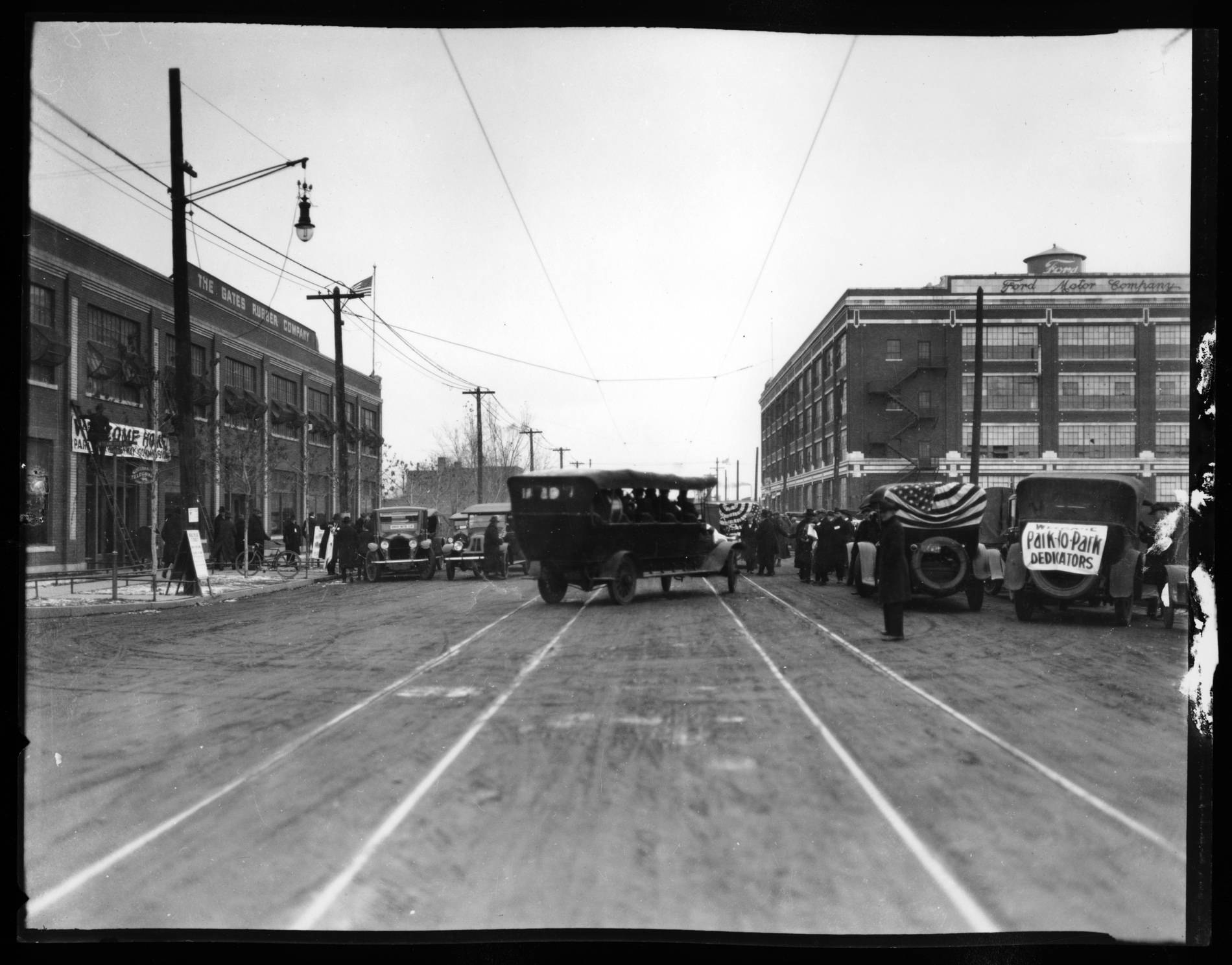
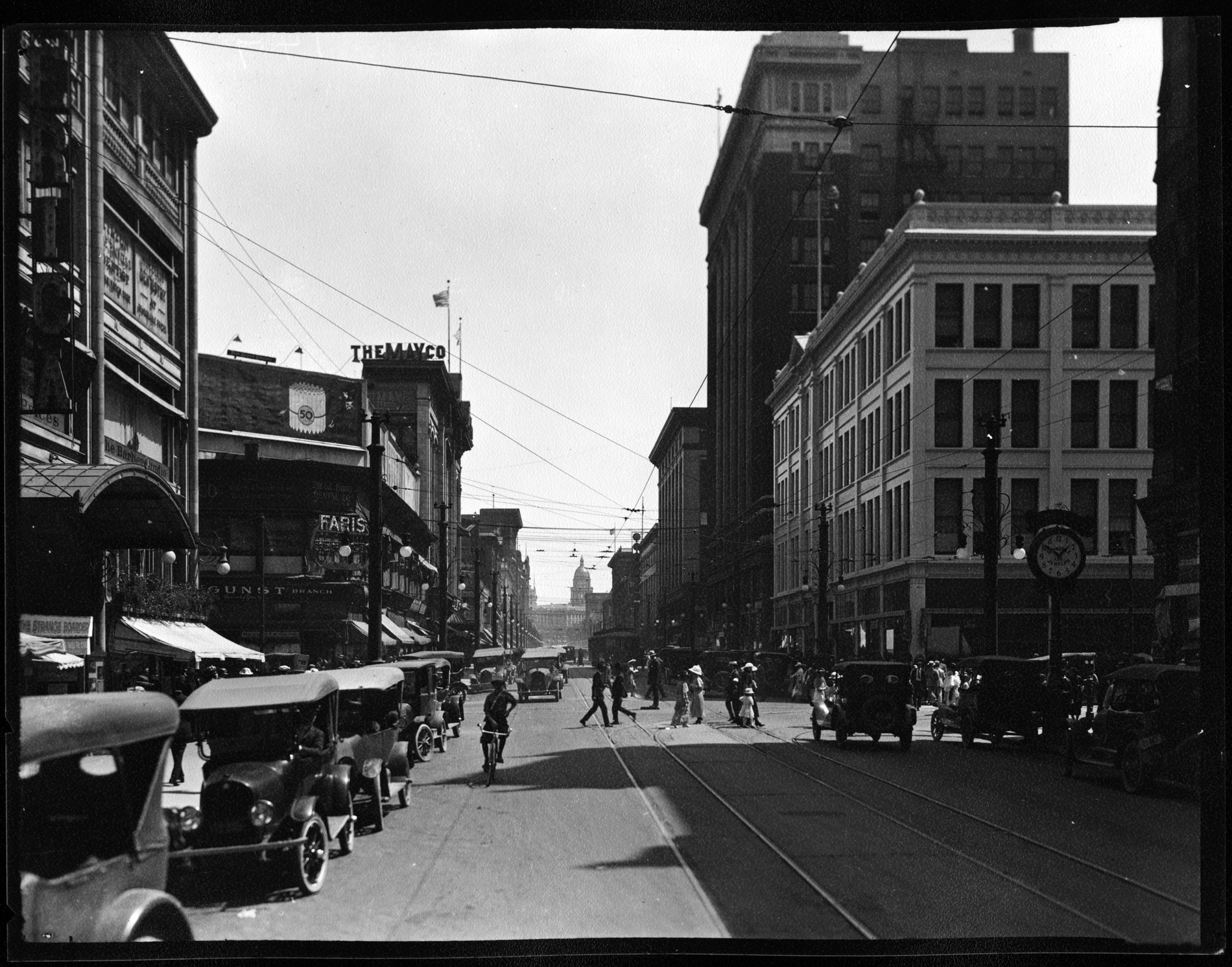
On November 9th, 1920, after 76 days of nearly constant travel, the tour drove up South Broadway into Denver escorted by 60 automobiles and welcomed with a banquet. Two days later, delegates gathered for the first National Park-to-Park Highway Convention. Hundreds of other travelers had joined portions of the drive along the way, and newspapers across the country had followed every muddy mile.
The twelve motorists had proven something that could never be unproven: ordinary Americans, in ordinary cars, could reach the greatest places in America.
The Legacy
What the Highway Left Behind
The National Park-to-Park Highway Association kept promoting the loop until 1926, when the federal numbered highway system arrived and state and federal governments took over the road building the association had spent years demanding. The painted Park-to-Park logo faded from rocks and telephone poles. The named highway disappeared into route numbers.
But the idea never faded. Park visitation exploded through the 1920s as the automobile finished what the inaugural tour started. The family road trip to the National Parks became an American institution, passed down through generations of station wagons, minivans, and RVs. Every summer pilgrimage to Yellowstone, every kid pressed against a back seat window watching the Tetons rise, every "are we there yet" traces back to twelve motorists, a borax millionaire with a vision, and a pathfinder who gave everything to map the way.
The ordinary American road trip has an origin story. This is it.
A century later, you can drive the entire loop on paved highways with a gas station at every exit. The film that follows is your invitation to remember when none of that existed, and to take the long way around.
A.G. Lucier Collection
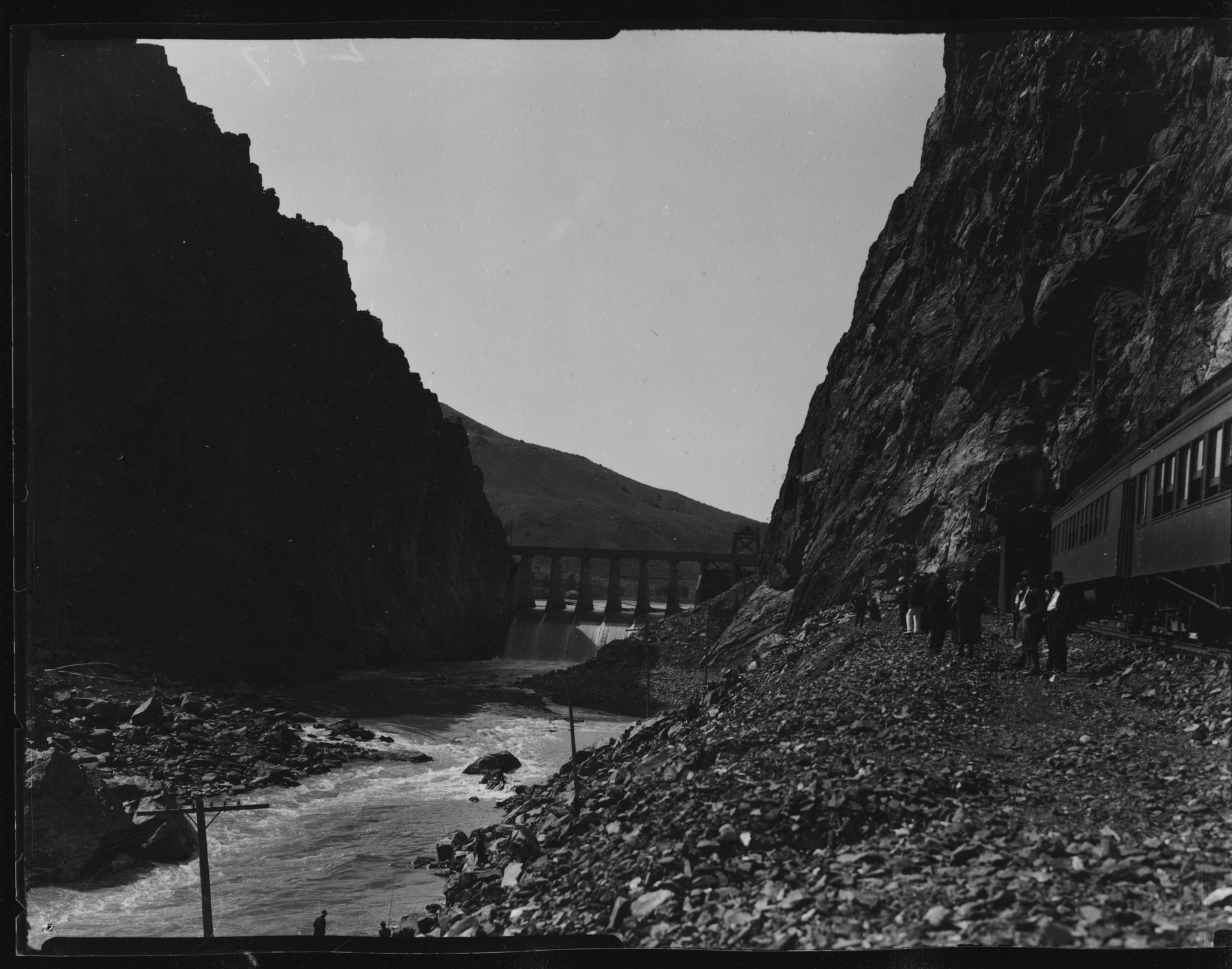
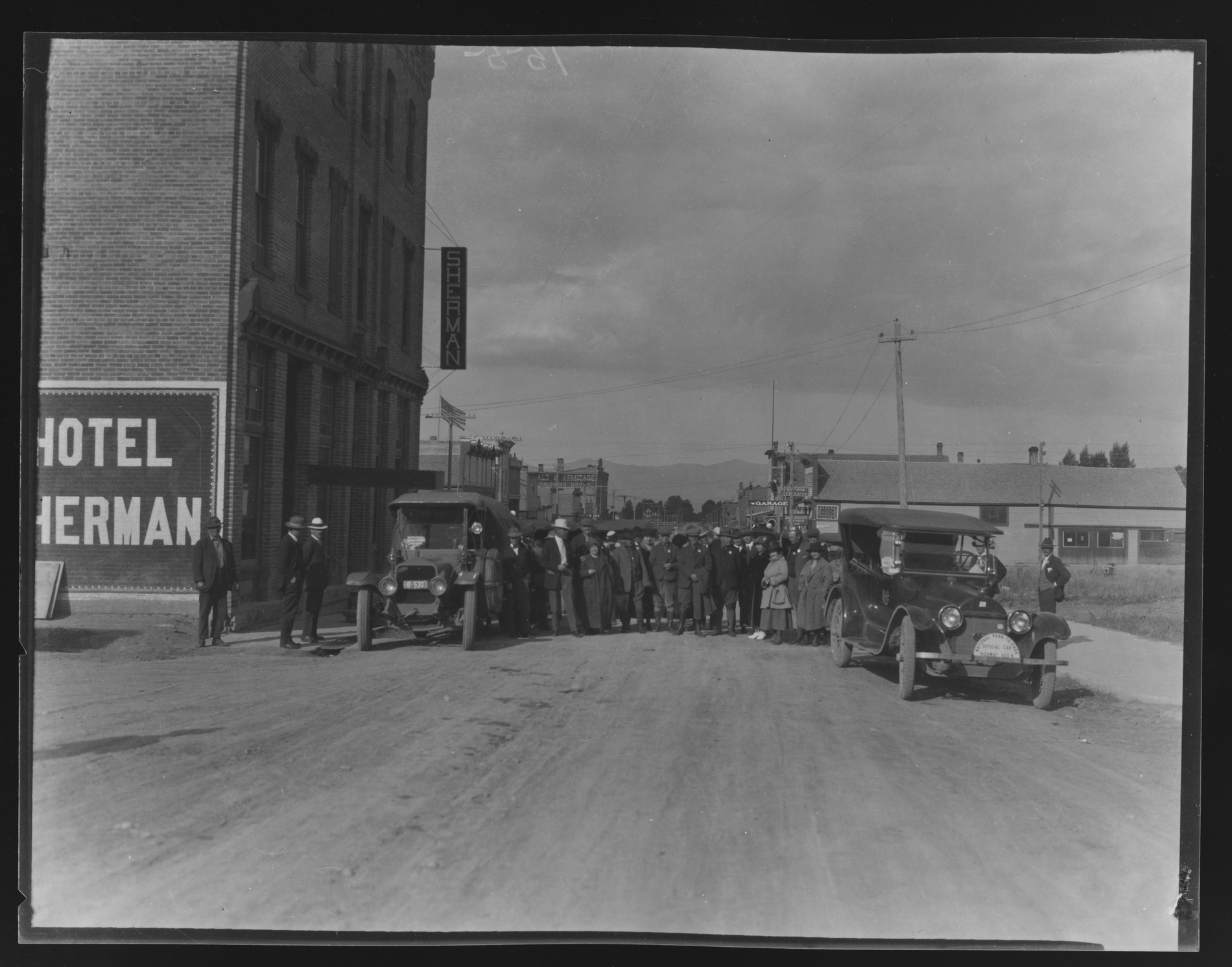
Photographs From The Dirt Road
Original glass-plate and print photography of the 1920 inaugural tour. Scroll the rail to see the caravan, the parks, and the towns that welcomed them.
Photographs · A.G. Lucier Collection, John T. Hinckley Library
Could You Survive 1920?
The Packing List
What the inaugural motorists carried versus what the same trip takes today.
The 1920 Trunk
Spare tires and inner tubesBlowouts were a daily event
Cans of extra gasolineZero gas stations on the route
Tow ropeFor the farmer and his horses
Dusters and gogglesThe dust never stopped
Canned meat, beans, crackers, milk chocolateSurvival rations between towns
Westgard's route notesThe only map that existed
Full camping outfitMotels had not been invented
The 2026 Trunk
A phoneGPS, camera, hotel bookings, and music in one pocket
Snacks from literally any exitThe 1920 crew would weep with joy
A gas station every 30 milesOr a charging network
Sunscreen and sunglassesThe goggles got an upgrade
A national parks passEighty dollars for a year of wonder
This documentarySo you know whose tire tracks you are following
Original Score
Music for the Open Road
Composed for the film by James Hersch, with Peter Ostroushko on fiddle and mandolin and Joe Englund on cello.
First Light
James Hersch · Original Motion Picture Score
Acclaim
What the Historians Say
“For the past 25 years, the wonder of public television has been the magisterial storytelling of Ken Burns. The work of Brandon Wade offers an exceptional complement, and even Mr. Burns would be pleased to say so.”
Alfred Runte · Author, National Parks: The American Experience
“A fascinating but largely forgotten story from the beginning years of modern tourism... Brandon Wade and his team have done a great job of bringing this narrative to life.”William Tweed · Historian
“A fascinating glimpse into the formative years of the National Park Service... crisp narration and historical photographs and film footage.”Judith Meyer · Author, The Spirit of Yellowstone
“The viewer is treated to a cake with many layers and allowed to savor each piece... giving us a definite sense of being there.”Jane Whiteley · Author, The Playground Trail
Trivia
Could You Have Made the Trip?
Five questions from the road. No horses allowed.
Drive It Today
Get the Modern Route Guide
A free guide to driving the Park-to-Park loop today: the modern highways that trace the 1920 route, all twelve parks, and where to find the original road. Plus updates on where to stream and own the film.
You are on the list. Your route guide download should start now. Check your downloads folder if you do not see it.