Okay friends, story time. Pour yourself something. This one is a doozy.
In 2016 a guy named Joe Lampe asked me to help him start a cooking blog. At the time, Joe was my wife's cousin's husband, which is a sentence that explains a lot about how things start. He was a regular guy who liked to grill and hang out with his buddies, and he had a hunch there were other regular guys out there who would also like to grill and hang out with his buddies, by proxy. I did the branding, built the website, and figured we'd see what happened.
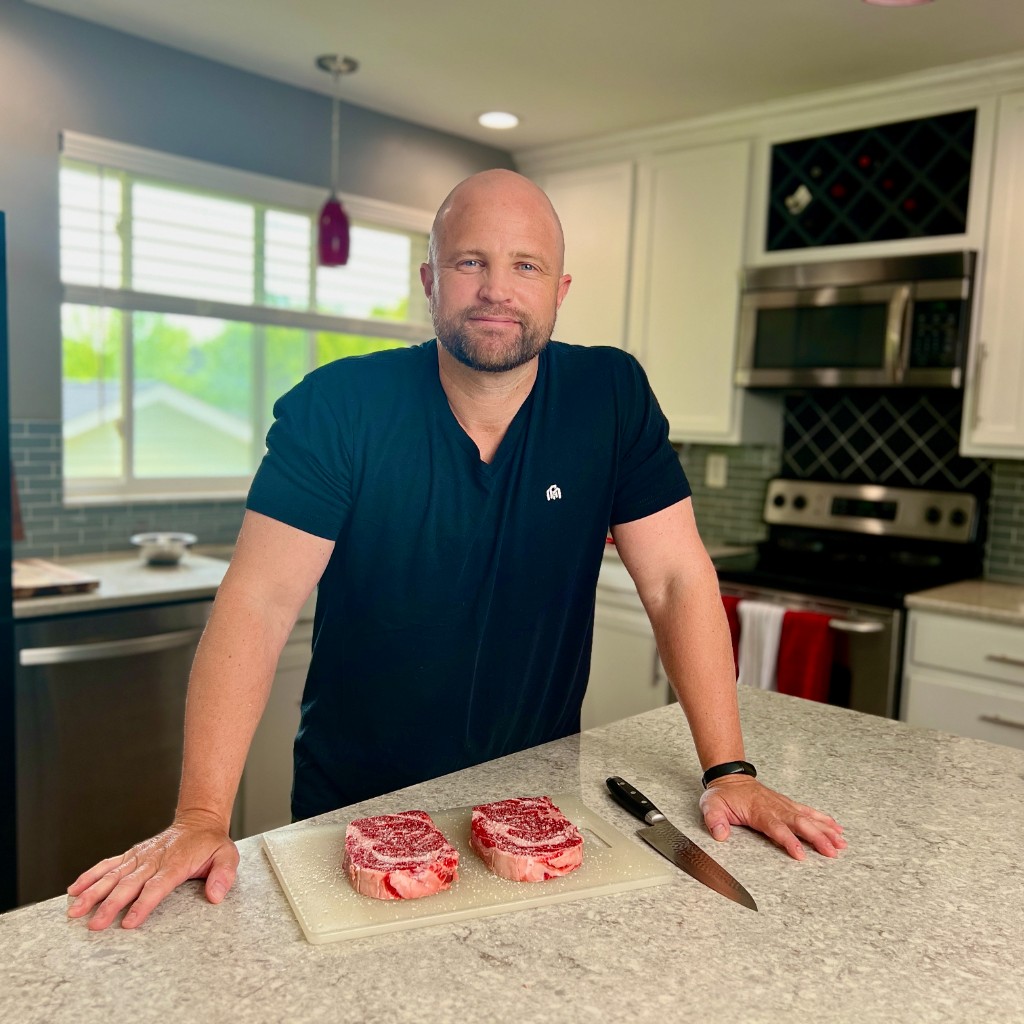
Joe kept showing up. Week after week. The blog grew. But after a while I noticed his food photography was, how do I say this kindly, exactly what you would expect from a guy with a phone and a backyard. Now here is the part I keep forgetting to mention. I have a photography degree. I have taken several food photography classes specifically. Food photography is hard. It is a dark art with very specific lighting and styling rules and most people have no idea how brutal it is until they try.
So one day I said, "Joe, what if we filmed this instead?"
That little conversation turned into Red Meat Lover.
From blog to YouTube: what we actually built
Over the next several years, four of us part-time built a YouTube channel that grew to 191,000 subscribers, generated six figures in revenue, and produced about 200 videos. We launched a travel show called Meat America. We did two seasons. We featured Ray from Sweet Baby Ray's. We featured Malcolm Reed, who is a legend in the smoking world. We had merch. We had a podcast. We had a logo and a brandmark we owned outright.
Four people. Part-time. Two hundred videos.
Main takeaway
You do not need a giant team. You need a small team, clean roles, and someone who will keep showing up when it is inconvenient.
What "part-time" really meant (200 weekly episodes in plain English)
Now let me tell you what "part-time" actually meant, because the word does a lot of hiding.
We posted every single week. For years. Through holidays, through summer, through the back half of a global pandemic, through the parts of life where you really do not feel like setting up a tripod. Once a month we'd block out a weekend and shoot five videos in two days. Joe handled all of the grocery shopping, the meal planning, the recipe testing, the on-camera presenting, and somehow also stayed funny while doing it. I ran three video cameras and a still camera at the same time, which mostly meant I spent eight hours a day moving in a small triangle around a grill, occasionally stopping to taste-test a brisket so I could tell Joe whether the bite shot needed another take. (It almost always did. The brisket was almost always fine. The science of taste-testing is rigorous and it is important to repeat the experiment.)
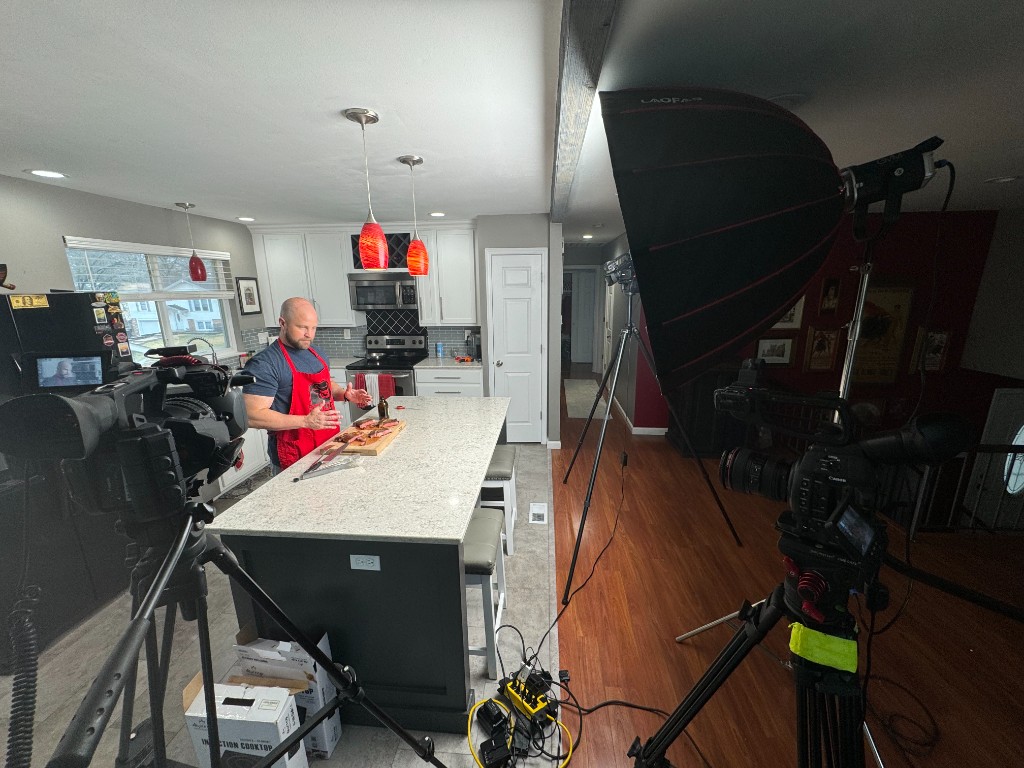
Then I edited. For years, just me, alone in a room, turning ten hours of footage into one eight-minute video that some kid in Tennessee could watch on his phone while he learned how to reverse-sear a ribeye. Eventually I built a small bench of editors I trusted to take a pass and add their flavor, but the rhythm never stopped. New episode every week. Month in, month out. For years. Years.
That is what 200 videos means. That is what "part-time" actually looked like.
The Silver Play Button moment
Then one day a box showed up. YouTube sent us a Silver Play Button. They send those when a channel hits 100,000 subscribers. It is heavy. It is real. It has your name on it. Joe and I stood in his front yard holding ours up like a couple of guys who had just won a fishing tournament, and I will tell you something. The plaque is nice. But the moment I will remember is the look on Joe's face. Years of him cooking and me running cameras and us figuring it out as we went, and somebody at YouTube ships you a piece of metal that says, "yeah, you did it." That picture is going on the wall behind me until I am too old to remember why.
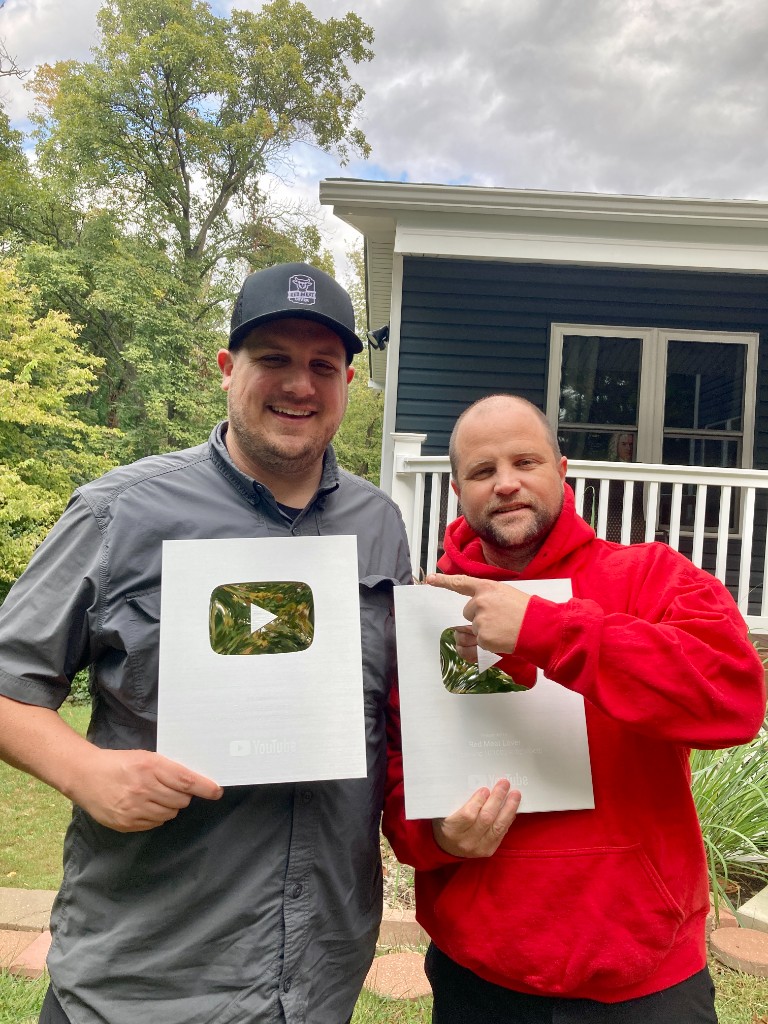 Bear Wade and Joe Lampe holding YouTube Silver Play Buttons awarded to Red Meat Lover for passing 100,000 subscribers" width="1200" height="800" loading="lazy" />
Good content compounds (even when you step back)
Here is the part I want you to sit with for a second, because I think about it constantly. We have not published a new video in over a year, and the channel is still earning. Good content compounds. Brands you build right keep paying you while you sleep. That's not a flex, it's the whole reason any of this is worth doing.
Takeaway
Compounding is not just a spreadsheet word. It is late nights and weekly shipping turning into assets that keep working after you stop sprinting.
The part nobody tells you about creator partnerships
Now here is the part nobody tells you about creator partnerships, and the reason I'm telling you this story.
Starting a business with someone is easy. Ending one is where people get hurt. Most creator partnerships I have watched up close end in silence, lawyers, or both. People split because they grew apart, or one person did most of the work, or the money got weird, or life happened. Almost nobody plans for the ending when they're starting. Everybody's vibing on momentum and good times and "let's just see where this goes."
This year, Joe bought me out. He is taking Red Meat Lover forward, and I am stepping back. And I want to tell you something I am proud of, because there is a version of this story that goes very differently. We ended it whole. Both of us. The agreement protects both of us, both of our families, both of our names. The dollar amount is between us. The rest is not, because the rest is the lesson.
The truth is, letting something go that you helped build is not easy. Especially something that worked. Especially something you spent years of weekends on. Especially something that has a Silver Play Button hanging on a wall in your house. I had to make peace with the fact that Red Meat Lover was always going to be Joe's show, and that was always the right answer. He is the heart of it. He should own it.
What I'd tell anyone starting a project with someone they trust
Here is what I would tell anyone reading this who is starting something with a friend, a sibling, a coworker, or a guy from church (or a guy who is technically your wife's cousin's husband).
Build the partnership agreement before you build the brand. Boring legal paperwork is the cheapest insurance you will ever buy. Decide who owns what, what happens if one of you wants out, what happens if one of you dies, what happens if it works, what happens if it doesn't. Do this before the LLC has a logo. Definitely before there is money on the table. Lawyers feel expensive at the start. They feel like a screaming bargain when you're three years in and trying to figure out who owns what.
Partnership principle
Paperwork before logos. Exit scenarios before revenue. If you cannot talk about the ending while you still like each other, you will not magically talk about it during a buyout.
Plan for the ending. From day one. Good partnerships end. Sometimes because they failed. Often because they succeeded. The endings I have seen go well are the ones where the people involved talked about the ending while they still liked each other. If you cannot have the conversation now, you definitely cannot have it during a buyout.
Small teams with the right structure can do astonishing things. Four people, part-time, built something that still earns a year later. You do not need a giant team. You need a small team and clean roles. (You also need a Joe. None of it works without Joe.)
So that's where I've been. That's what I learned. And if you are right now in the middle of starting something with somebody you love and trust and have not yet had the boring legal conversation, I am asking you, as someone who just walked through the other end of one of these, go have it.
Joe, congratulations brother. The show is in the right hands. Tell your daughter I said hi.
Have the conversation (then decide if you want help)
If you want help thinking through what your own version of that conversation should look like for roles, ownership, milestones, and clean handoffs, that is part of what I do for teams now on the 90-Day Growth Plan. Honestly, I would rather you have the conversation with a lawyer and each other than hire me. Either way: have it.
If you want to talk through your situation in plain language first, book a call on timetosizzle.com. Related reads: side projects and structural mismatch and what changed in the economics of shipping.